




New Law Requires CPR Training in Illinois High Schools
Style Snapshot
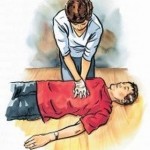
- A new Illinois law requires high school students to receive CPR and defibrillator (AED) training before graduation. Inspired by families who lost children to on-campus cardiac emergencies, this legislation sets a precedent for other states. While students can opt out, the goal is to ensure every student understands how to respond in an emergency—potentially saving classmates, teachers, or family members.
Illinois Governor Pat Quinn set a standard all states should emulate when he signed a bill requiring Illinois high school students to have mandatory CPR and defibrillator training.
The CPR bill was introduced to lawmakers by several families who had high school aged children that experienced cardiac emergencies while on campus.
The law allows students to opt out, but we believe everyone should know how to administer some form of CPR and how to operate a defibrillator.
As Governor Quinn put it, “ This common-sense law will make sure they are better prepared to help their classmates, teachers, family and friends in case of an emergency.”



QUICK Q&A
What does the new Illinois CPR law require?
All high school students must receive CPR and AED training before graduation, though they may opt out if desired.
Why was this law introduced?
It was inspired by families of students who suffered cardiac emergencies at school, emphasizing the need for preparedness.
Can students opt out of CPR training?
Yes, the law includes an opt-out provision, but educators encourage all students to participate.
Who benefits from this law?
Students gain valuable life-saving skills, and communities become safer as more people can respond in emergencies.
How can other states follow Illinois’ example?
By adopting similar legislation to include CPR and AED training in high school curriculums nationwide.
Related Posts
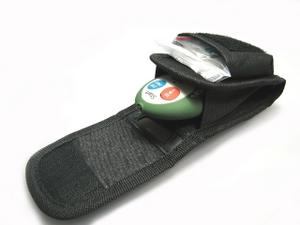
CPR Metronome Pen
It’s true that performing CPR to The Bee Gee’s Stayin’ Alive is the perfect cadence, but what if you don’t know the song, or have no rhythm? If so, take a look at these CPR apps worth downloading today. Style Snapshot The CPR Metronome Pen from LyfeTymer is a practical tool designed to help deliver […]
What Are Some Special Considerations When Using An AED?
Style Snapshot Proper use of an AED during emergencies requires awareness of environmental and personal factors. This article provides essential tips to ensure safe and effective AED application—such as the role of moisture, pacemakers, and troubleshooting device malfunctions. By understanding special considerations, rescuers can confidently respond to cardiac emergencies. What Are Some Special Considerations When […]

PulsePoint CPR App Saves A Life
Off-duty firefighter, Scott Brawner, was working out when the PulsePoint app on his smartphone went off. He responded immediately, interrupting his workout and rushing to the location indicated on his phone. There he found Drew Basse. Brawner began CPR within a minute of the PulsePoint app and Basse is alive today. Brawner received The Citizen […]
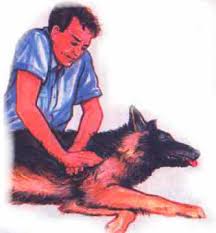
Resuscitate Your Pet with CPR
Delaware is a progressive place, just ask Jennifer Stevenson and the folks at PetTech. Stevenson offers professional pet sitting services through her PetTech company and now she can boast to her clients that her techs know pet CPR. Stevenson covers quite a few safety issues concerning your pet welfare, and even offers her classes to […]
Swimming Pool First Aid- Emergency Medical Response & Chemical Treatment
Swimming pool first aid is a crucial skill for the safety and well-being of swimmers. Accidents can occur anytime, and knowing how to respond effectively can make all the difference. Whether it’s a slip, a drowning incident, or an allergic reaction to pool chemicals, understanding emergency medical response and chemical treatment is essential for pool […]

Get Your CPR Certification On the Go!
If you thought receiving your CPR certification entirely online was convenient enough, you might have to think again! With SimpleCPR’s new upgrade to mobile devices, you can now learn CPR and first aid anywhere and at any time on your smartphone or tablet. We all lead busy lives, which is why SimpleCPR understands that maximizing […]