




Summer Safety and CPR
Style Snapshot
- Summer safety requires vigilance, especially near bodies of water. Prevent drowning incidents by installing safety gates, supervising children closely, enforcing poolside safety rules, and learning CPR. CPR can make the difference between life and death in water emergencies.

During the summer, more outdoor activities occur and danger abounds. A casual swim in the lake or an accidental fall into a family pool can be fatal for small children and adults. We don’t mean to ruin your summer fun, but we do have a few tips to keep you and your family safe through the summer.
Put a gate on it.
We have read an unfortunate amount of tragic stories about drownings because a toddler wondered away for a moment and fell into a pool. In situations like that, moments can mean life or death. Putting a gate around your pool will give you some peace of mind as well as allow for children to know that the pool is unsafe for them to visit alone.
Supervise children closely near bodies of water.
A child can drown in even just a few inches of water, so it’s important that an adult is around at all times to be able to retrieve a child from the water in case of emergency. Community pools and some beaches have life guards on duty, but it’s easy for a drowning child to go unnoticed in a group setting.
Enforce speed/safety near the pool.
In addition to maintaining supervision of young children at the pool, enforcing strict rules is also vital. Children should not be allowed to run or rough house near a pool because hard surfaces make it easy for an injury or fall near the pool. Set rules early so children know the importance of pool safety.
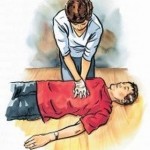
Perhaps the most important safety lesson you can have this summer is learning how to perform CPR properly. We read a news article recently about a mother who saved a stranger’s toddler in a community pool because she was the only one of the adults there who knew CPR. In fact, some of the adults were sticking their fingers down the child’s throat in hopes to get the water out. The woman, Jennifer Richardson of Boca Raton, FL, got to the child in time and began chest compressions immediately. Fortunately, the water came pouring out after chest compressions commenced and the girl made a full recovery.
CPR, when done correctly (or at all) can truly mean the difference between life and death. So, learn how to do CPR, and urge others to do the same. You never know when you’ll need to save a life.



QUICK Q&A
What is the difference between CPR and BLS?
CPR is a life-saving technique involving chest compressions and rescue breaths, suitable for laypersons. BLS includes CPR along with advanced skills like airway management and AED use, intended for healthcare professionals.
Who should take CPR training?
CPR training is recommended for the general public, including teachers, coaches, and caregivers, to prepare for emergency situations.
Who should take BLS training?
BLS training is essential for healthcare providers, such as doctors, nurses, and emergency responders, to manage life-threatening emergencies effectively.
How often should CPR and BLS certifications be renewed?
Both CPR and BLS certifications should be renewed every two years to ensure skills and knowledge remain current.
Related Posts
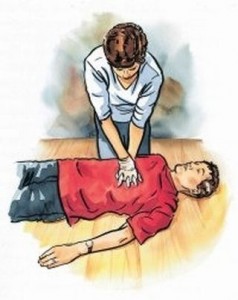
CPR Certification: How Long Should I Provide CPR?
Style Snapshot When performing CPR, continue without interruption until emergency personnel arrive, the victim fully revives, or signs of death are evident. Stopping too early significantly reduces survival chances, while performing CPR for extended periods—even beyond 10 minutes—can make the difference between life and death. Consistent, uninterrupted compressions are key. Even when people have earned […]

Hero of the Week: Aly DeMarco!
CPR Breathing Barriers: Why Every First Responder (And Parent) Needs One!
A CPR breathing barrier is a simple yet essential tool that protects the rescuer and the victim during mouth-to-mouth resuscitation. These barriers prevent direct contact, reducing the risk of disease transmission while ensuring effective rescue breaths. Whether you are a first responder, a healthcare professional, or a parent, having one readily available can make a […]
5 Reasons Why First Aid Certification Is Important for Students
Style Snapshot First aid certification equips students with essential life-saving skills, enhances their confidence, and prepares them to respond effectively in emergencies. It improves their resume, fosters empathy, and supports community safety. For students, first aid training is a valuable skill that can save lives in school and beyond Importance of Basic First Aid Skills […]
When to Use a Manual or Automatic External Defibrillator
Style Snapshot Understanding when and how to use manual or automatic external defibrillators (AED) is critical in cardiac emergencies. AEDs are often used in public settings and provide automated shock delivery based on the patient’s condition, while manual defibrillators require professional training for voltage application. Proper CPR training is essential for effective use of both […]
Infant Chest Compression – How To Do It?
Cardiopulmonary resuscitation (CPR) is a critical lifesaving procedure that combines chest compressions and mouth-to-mouth breathing to restore blood circulation and oxygenation in an individual who has suffered cardiac arrest or a respiratory emergency. The lungs and heart play a crucial role in the CPR process as they work together to keep us alive. The lungs […]