




Heart Attack Recovery: Foods to Eat and Avoid
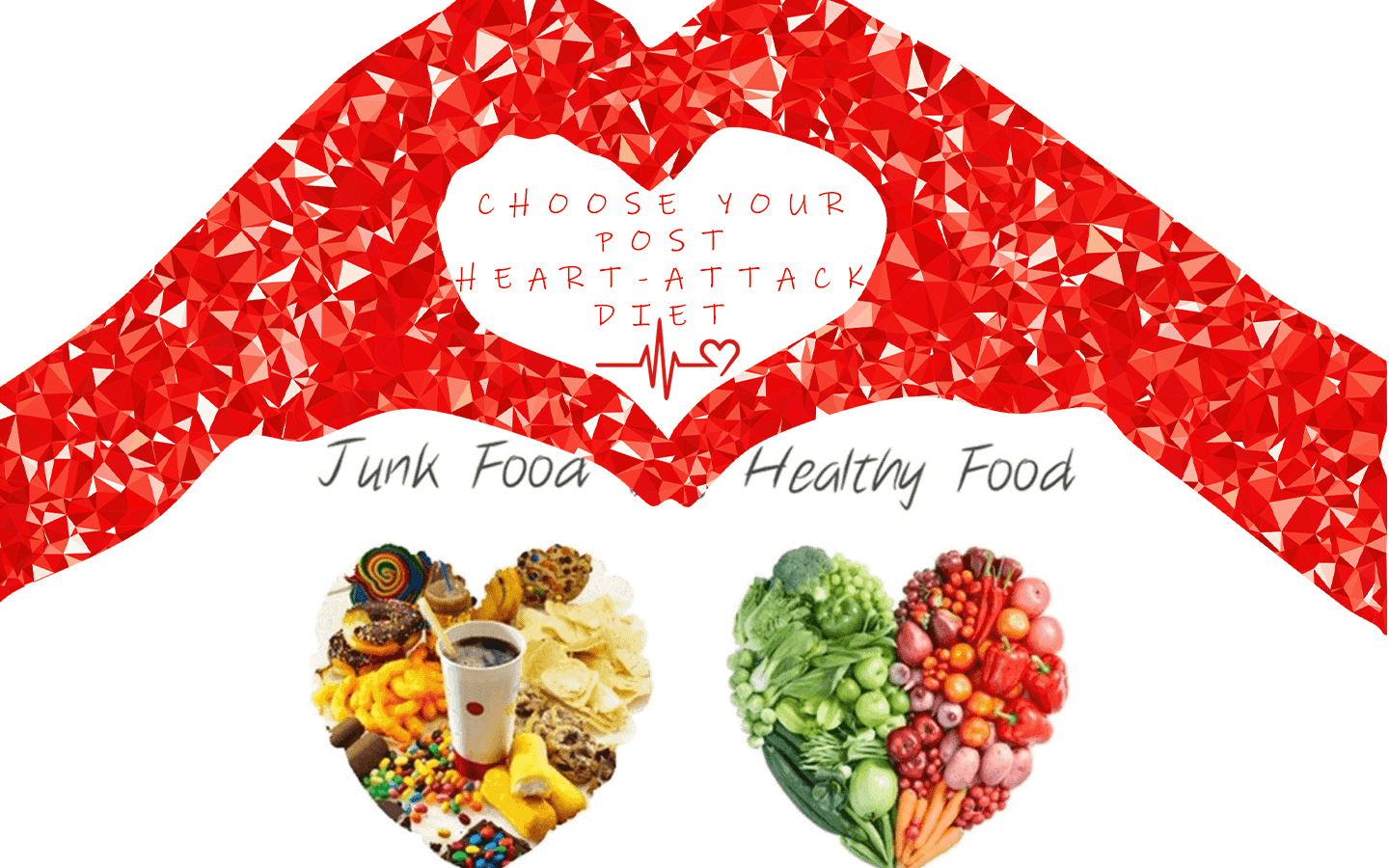
After surviving from a heart attack, the first though that comes in mind is to change the lifestyle. Healthy eating, exercise and stress-free routine are the basic needs of a post heart attack person. But usually people don’t know how to customize their meal plan. Here we are mentioning some of the foods to eat and avoid after a heart attack, along with a reminder that a SimpleCPR online certification course can help you and your family be ready if another cardiac emergency happens.
Style Snapshot
- After a heart attack, dietary and lifestyle changes are essential to support recovery and prevent future heart issues. Focus on fresh, nutrient-rich foods like vegetables, fruits, lean proteins, and whole grains while cutting out processed, fried, and sugary foods. Healthy eating, hydration, mindful living, and paying attention to any heart discomfort after exercise can significantly improve heart function and long-term health.
- 1.) Avoid foods fried in saturated fats. As an alternative you can use stir fried foods in unsaturated fats like vegetable oil or nuts oil
- 2.) Do not eat processed meat such as hot dogs and sausages. Instead of these you can use chicken or turkey meat.
- 3.) Stay away from desserts and sweets containing milk chocolate and sugar — remember, sugar is ruining your health well beyond the heart. For chocolate items you can use dark chocolate which contains more antioxidants good for you health.
- 4.) Say no to baked items such as cakes and pastries containing white sugar and plain flour. As an alternative you can bake food for yourself containing natural sugar and whole grains.
- 5.) Do not use salad dressings, cream sauces and ketchup that contain sugar and saturated fatty acids. Instead you can make your own homemade ketchup and dressings without sugar and high fat dairy products.
- 6.) Avoid salted nuts and snacks. You can opt for unsalted ones in limited quantity.
- 7.) Cut back on sugary soda and fizzy drinks. As a replacement you can add fruits to your water or drink fresh homemade juices without sugar and preservatives. Reduce your intake of coffee, tea and alcohol and drink more water daily.
- 8.) Avoid take-aways like pizza, hamburgers, chips, fried potatoes, pasta and noodles etc. Replace fatty red meat with the lean meat or white meat in your food.
- 9.) Avoid processed foods. Eat fresh vegetables and fruits daily and go for wholegrain cereals, breads, rice and pasta etc. — building a grocery list for a healthy family can make these swaps easier to stick to.
- 10.) Include legumes, egg and fish in your food and replace them with high fat dairy products.
Making heart-healthy changes to lifestyle can help you live strong and vibrant for many years without the thought of having another heart attack. Taking care of yourself after a heart attack is very important, and so is making sure the people around you know what to do if another cardiac emergency occurs — an Adult CPR + AED course can prepare your family to respond. Eating right, avoiding stress and daily exercises and basic lifestyle modifications that can help you a great deal in this regard.


QUICK Q&A
What is the difference between CPR and BLS?
CPR is a life-saving technique involving chest compressions and rescue breaths, suitable for laypersons. BLS includes CPR along with advanced skills like airway management and AED use, intended for healthcare professionals.
Who should take CPR training?
CPR training is recommended for the general public, including teachers, coaches, and caregivers, to prepare for emergency situations.
Who should take BLS training?
BLS training is essential for healthcare providers, such as doctors, nurses, and emergency responders, to manage life-threatening emergencies effectively.
How often should CPR and BLS certifications be renewed?
Both CPR and BLS certifications should be renewed every two years to ensure skills and knowledge remain current.
Related Posts

Choking Hazards during the Holidays
The holidays are a wonderful time of the year, full of excitement, family, friends, and fun. Whether it is at an office Christmas party or gathered around the Thanksgiving dinner table, much of this time with loved ones centers around exchanging and opening gifts or eating delicious, home cooked meals. While it is certainly a […]

Sweet Poison: Why Sugar is Ruining Your Health
Sugar is one of the most common ingredients in food. Everyone loves dessert but what we don’t realize is that we are killing ourselves. Cold drinks, candies, tea, and even baked foods as well contain a lot of sugar. Not only that even savory foods such as tomato sauce, bread, and protein bars, can have […]

Surgeon General Urges Americans to Carry Narcan
Beginning in the 90s, heart disease became a major problem for Americans. This caused millions of Americans to voluntarily train to administer cardiopulmonary resuscitation or CPR. Each year, the American Heart Association trains more than 12 million people in this life-saving procedure. Now it seems we are facing another public health crisis: the deadly opioid […]
Heart Attacks in Men and Women: How Are They Different?
Cardiovascular disease is the number one killer in the United States for both men and women. According to the Centers for Disease Control and Prevention, about 735,000 people have a heart attack in the United States every year. Because of the significant amount of people who have heart attacks each year, it is important that […]

Teen Survives Heart Attack and Urges Classmates to Learn CPR
Nearly nine months ago, first responders saved Reese Marlenee’s young life. Last week, thankful to be alive, Marlenee welcomed rescuers to her high school to teach students the same lifesaving skills that saved hers. “It’s important that everybody knows CPR, no matter how old they are,” said Marlenee, watching Valley Regional Fire Authority firefighters and […]

Why Cardiologists Used to Prescribe Mindfulness For Healthy Heart?
Heart disease is one of the leading causes of death in the United States, and part of this is down to blood cholesterol and blood sugar levels. A large part of the US population is currently suffering from these conditions and natural deaths (excluding accidents, homicides, etc.) mostly come from heart disease. There are plenty […]