



Category Archives: Uncategorized

What CPR class to take for dental assistants? A Comprehensive Guide
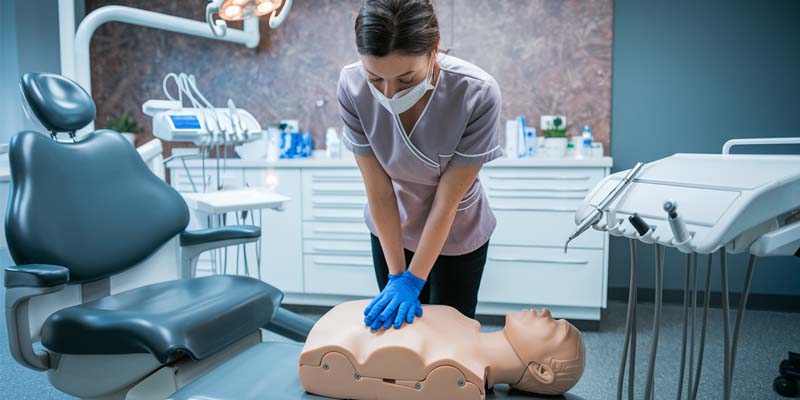
What CPR class to take for dental assistants? A Comprehensive Guide

Dental assistants are critical in patient care, often acting as the dental office’s first responders in medical emergencies. Ensuring proper CPR training is vital for patient safety and is usually a legal requirement. But with so many training options available, you may wonder: What CPR class to take for dental assistants?

This guide will help you navigate the various CPR certification options tailored to dental professionals. It will also explain why proper training is crucial in your role and how to choose the right course to meet industry standards. By the end, you’ll know which class aligns with your responsibilities and how to comply with state and workplace requirements.
If you’re ready to learn what training you need to perform confidently in emergencies, keep reading for detailed insights.

Why Is CPR Certification Essential For Dental Offices?
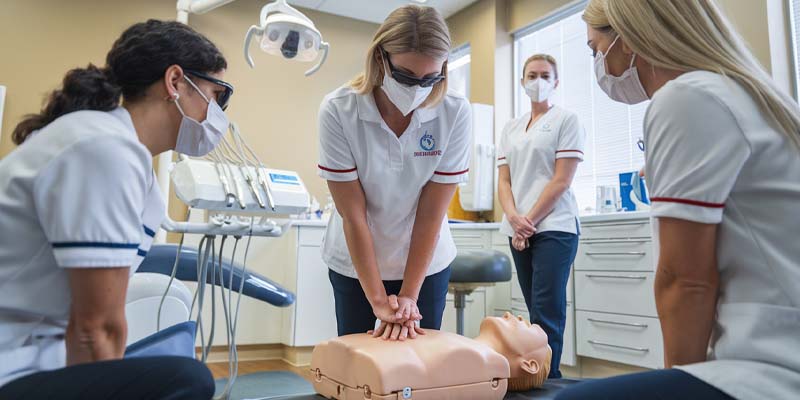
CPR certification is essential for dental offices because emergencies, like cardiac arrest or choking, can happen unexpectedly during dental procedures. Dental assistant CPR requirements ensure that all team members can respond quickly and effectively to save lives. Here’s why this training is so necessary:

Immediate response in emergencies

Dental offices handle procedures that may trigger medical emergencies, such as allergic reactions or sedation complications. CPR training equips staff with the skills to act promptly, which can mean the difference between life and death.

Compliance with regulations

Many states mandate CPR certification as part of dental assistant CPR requirements. Meeting these legal obligations ensures that your dental office complies with healthcare standards and avoids penalties.

Building patient trust

Patients feel more secure knowing the dental staff is trained to handle emergencies. This trust can improve your office’s reputation and patient retention.

Teamwork and coordination

CPR training improves teamwork during emergencies by teaching staff how to coordinate efforts until professional medical help arrives.

Meeting dental assistant CPR requirements is not just a professional necessity—it’s a commitment to providing a safe and secure environment for every patient.

Who Should Have CPR Training In Dental Offices?
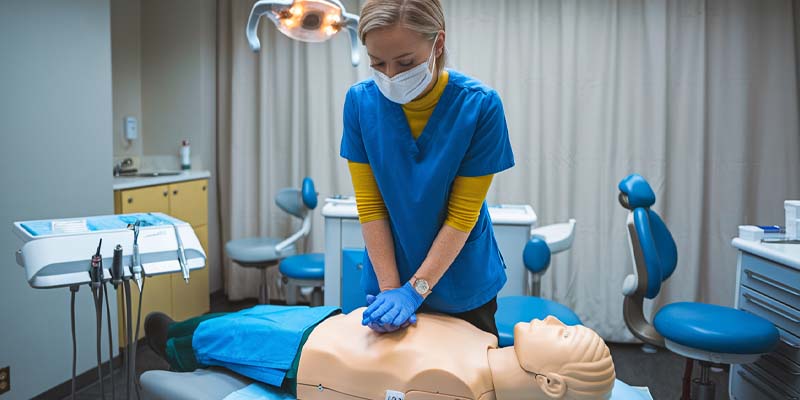
CPR training is vital for anyone in a dental office who may be involved in patient care or emergency response. This includes dentists, dental hygienists, and dental assistants, the primary team members interacting with patients during procedures. Dental assistant CPR requirements often specify that these professionals must be certified to ensure patient safety.

Administrative staff should also consider CPR training, especially in smaller practices where they might assist during emergencies. Everyone in the office benefits from knowing how to respond effectively to cardiac arrest, choking, or allergic reactions.

Many states and dental boards require CPR certification for licensing and continuing education. Beyond compliance, having all team members trained fosters a safer environment for patients and staff. It ensures the entire team can act confidently and collaboratively in emergencies, providing critical care until professional help arrives.

What Are The State Requirements For CPR Training In Dental Offices?

State requirements for CPR training in dental offices vary across the U.S., but nearly all states mandate CPR certification for dental professionals to ensure patient safety during emergencies. If you’re wondering what CPR class to take for dental assistants, understanding your state’s specific requirements is the first step.

General CPR Certification Requirements

Most states require dental assistants, dentists, and dental hygienists to hold a valid CPR certification as part of their licensing or employment conditions. The accreditation must typically be from recognized organizations like the American Heart Association (AHA) or the American Red Cross.
Courses should cover adult, child, and infant CPR and automated external defibrillators (AEDs). Many states also require renewal every two years to ensure skills remain current.

ADA and AGD Approval

When selecting what CPR class to take for dental assistants, look for courses approved by the American Dental Association (ADA) or the Academy of General Dentistry (AGD). These endorsements ensure the training meets the highest standards for dental professionals and aligns with state and national guidelines.

Why State-Specific Guidelines Matter

Each state dental board sets unique rules about the level of CPR training required. For example, some states mandate Basic Life Support (BLS) certification, which provides more in-depth training than standard CPR courses.

Importance of Staying Compliant

Choosing the proper CPR certification for dental assistants meets state requirements and ensures your ability to respond effectively to emergencies. Staying compliant helps your dental office maintain licensure and protects patient safety.

By meeting state guidelines with the proper CPR certification, dental teams ensure they are prepared to handle critical situations confidently and professionally.

What Are The CPR Class Content For Dentists?
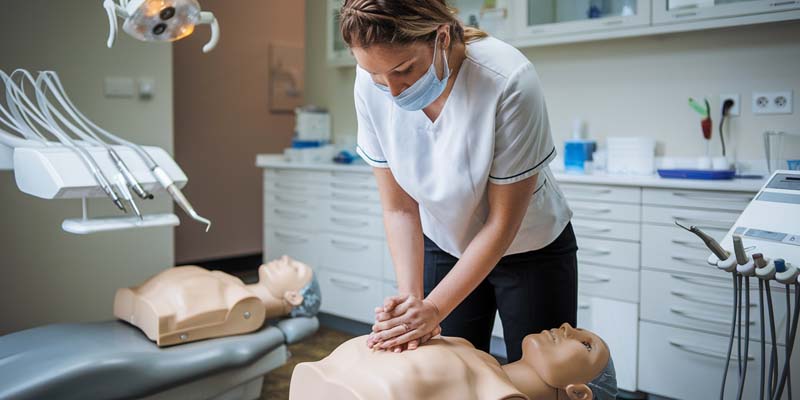
Dentists and their teams often face emergencies requiring immediate response, making CPR training a critical component of their professional preparedness. Whether you’re a dentist or wondering what CPR class to take for dental assistants, knowing

the specific content covered in these courses is essential. Below is an overview of the CPR class content designed for dental professionals in the USA.

Essential Life Support (BLS) Training

Most dental offices require Basic Life Support (BLS) certification, as it provides comprehensive emergency response skills tailored for healthcare settings. This includes:

  • Adult, child, and infant CPR techniques: Step-by-step instructions for chest compressions and rescue breaths.
  • AED use: Training on using an automated external defibrillator to restore normal heart rhythm.
  • Choking relief: Managing airway obstructions for patients of all ages.

Emergency Response Coordination

CPR classes also teach dental professionals to coordinate emergency care as a team. For example:

  • Communicating with emergency services effectively.
  • Ensuring seamless handoff of care to paramedics.
  • Specialized Skills for Dental Settings

CPR training for dentists often emphasizes scenarios relevant to dental offices. These include emergencies caused by sedation, allergic reactions, or medical conditions aggravated during treatment.

ADA and AGD Approved Courses

Look for courses approved by the American Dental Association (ADA) or Academy of General Dentistry (AGD) to meet licensure and workplace requirements. These accreditations ensure that the training aligns with healthcare standards for those exploring what CPR class to take for dental assistants,

By understanding the CPR certification requirements for dental assistants and dentists, your practice can ensure preparedness and compliance while maintaining the highest patient safety standards.

Wrapping up

In dental offices, CPR training is not just a regulatory requirement—it’s a vital skill that ensures patients’ safety and staff during medical emergencies. Understanding the specific needs of dental professionals, such as sedation-related risks, helps choose the right course. Your team can confidently handle critical situations by staying compliant with state requirements and selecting ADA or AGD-approved programs.

Ready to meet your CPR training needs? Simple CPR offers expert-designed courses tailored for dental professionals. Enroll today and ensure your practice is prepared to deliver lifesaving care when it matters most!

FAQ

What Certification Credential Does a Dental Assistant Have to Possess?
A dental assistant must typically possess a Certified Dental Assistant (CDA) credential issued by the Dental Assisting National Board (DANB). This certification demonstrates proficiency in critical skills, such as infection control and radiography. Additionally, many states require CPR certification for dental assistants as part of licensure or employment requirements. CPR certification ensures the assistant can handle medical emergencies, such as cardiac arrest or choking, during patient care. Depending on state regulations, Basic Life Support (BLS) certification, recognized by the American Heart Association or American Red Cross, may also be mandatory.

What Is BLS in Dentistry?
Essential Life Support (BLS) in dentistry refers to a level of CPR training designed for healthcare providers, including dental professionals. It includes advanced skills such as high-quality chest compressions, proper ventilation techniques, and automated external defibrillators (AEDs). BLS is critical in dental settings where medical emergencies, such as sedation-related complications or cardiac arrest, can occur. Meeting BLS certification requirements for dental assistants ensures they can provide lifesaving care while adhering to state and professional standards. BLS is often a prerequisite for licensure and is typically renewed every two years.

What Other Credentials Can Be Acquired by a Dental Assistant?
Dental assistants can pursue additional credentials to improve their qualifications and career prospects. These include the Expanded Functions Dental Assistant (EFDA) certification, which allows them to perform more advanced tasks, such as placing dental sealants or temporary restorations. Nitrous Oxide Monitoring certification is another valuable credential, enabling assistants to monitor patients during sedation. CPR certification for dental assistants is also essential, and specialized training, like radiology or infection control certification, can be obtained depending on state regulations. Advanced credentials demonstrate a commitment to excellence and open opportunities for higher responsibility roles.

How Many CE Credits Is CPR for Dental Hygienists in NY?
In New York, CPR certification for dental hygienists is typically worth 2 to 4 Continuing Education (CE) credits, depending on the course and provider. These credits count towards the mandatory CE requirements for dental hygienists to maintain their licensure. The course must be approved by recognized organizations, such as the American Dental Association (ADA) or the New York State Education Department. Dental professionals must ensure that the CPR class they select aligns with state requirements and provides the necessary documentation for CE credit reporting. Always verify with your local dental board for specific guidelines.

5 Reasons Why First Aid Certification Is Important for Students

Importance of Basic First Aid Skills for Students

The ability to perform first aid can make a significant difference, especially in environments where professional medical help may not be immediately available. Students spend considerable time in school, where accidents and health emergencies can occur. By learning first aid, students become valuable first responders, capable of stabilizing situations until professional help arrives. This proactive approach enhances student safety and fosters a sense of responsibility and community awareness.

Benefits of First Aid Certification for High School Students

The benefits of first aid certification for high school students are manifold. 

First Aid Certification Saves Lives in Schools

First aid certification for student safety in emergencies is a critical aspect of school programs for student first aid certification. Schools are environments where numerous activities occur, from sports to laboratory experiments, increasing the likelihood of accidents and injuries. When students are certified in first aid, they become an integral part of the safety network within the school.

In emergencies, every second counts. Students with first aid certification can provide immediate care, such as performing CPR, stopping bleeding, or managing fractures, which can significantly improve the outcome for the injured person. Their quick and efficient action can be the difference between life and death in critical situations.

Builds Confidence and Preparedness

Basic first aid skills instill a sense of confidence and readiness, enabling students to handle emergencies calmly and effectively. The knowledge gained through first aid certification allows students to act swiftly and appropriately in various situations, from minor injuries to more severe incidents.

Additionally, first aid certification fosters a sense of empathy and compassion. Students trained in first aid are more likely to assist others in need, promoting a culture of care and support within their communities. This skill set is invaluable, as it encourages students to be mindful of the well-being of those around them.

Develops Critical Thinking and Problem-Solving Skills

First aid training requires students to assess situations quickly and make decisions under pressure. This practice enhances their critical thinking and problem-solving skills, which are valuable in academic and real-life scenarios.


Moreover, the skills gained through first aid training extend beyond emergencies. Students carry this sense of assurance into other areas of their lives, feeling more capable and empowered to face challenges. This boost in self-esteem can lead to improved academic performance, enhanced social interactions, and greater overall personal development. 

First Aid Certification Enhances Student Resumes

First aid certification enhances student resumes by demonstrating a commitment to safety and personal development. In today’s competitive world, students need to stand out, and having first aid certification is a valuable addition to their credentials. It shows that the student is responsible, proactive, and capable of handling emergencies, qualities that are highly regarded by both educational institutions and employers.

Employers also value first aid certification, especially in fields where safety and emergency response are critical. Students with first aid certification have an advantage when applying for part-time jobs, internships, or future careers. It indicates that they have practical skills that can be applied in various settings, making them more attractive candidates.

Supports Community and Individual Health

When more individuals are trained in first aid, the overall health and safety of the community improve. Students with first aid certification can assist in their schools, homes, and neighborhoods. This widespread ability to provide immediate care can lead to better health outcomes and a more resilient community.

In addition, first aid certification courses often include education on health and safety practices. This knowledge can inspire students to adopt a more health-conscious lifestyle and understand the importance of injury prevention and overall well-being.

Online First Aid Certification for Students

With the advent of technology, obtaining first aid certification has become more accessible through online courses. Online first aid certification offers students a flexible and convenient way to learn essential skills without disrupting their academic schedule. These courses entail comprehensive training, covering all aspects of first aid, from basic care to advanced techniques.

Online certification programs typically include interactive modules, video demonstrations, and assessments to ensure students thoroughly understand the material. This format enables students to learn at their own pace, revisit complex topics, and practice their skills in a simulated environment.

Moreover, online first aid certification is often more affordable than traditional in-person courses, making it accessible to a broader range of students. This affordability and convenience of online learning ensures that more students can benefit from first aid training, enhancing overall student safety and preparedness.

Affordable First Aid Certification Courses for Students

Affordable first aid certification courses are essential to ensure that all students have the opportunity to learn these vital skills. Many organizations, including Simple CPR, offer cost-effective training programs tailored specifically for students. These courses provide high-quality instruction without the financial burden, making it feasible for schools and parents to invest in their children’s safety education.

Simple CPR is a leading provider of first aid certification, offering a range of courses designed to meet students’ needs. Our programs are structured to provide thorough training in a user-friendly format, ensuring that students can easily grasp and apply the skills taught.

We offer online certification courses covering a broad range of topics, from basic first aid and CPR to specialized training for specific emergencies. Our all-encompassing approach ensures that students are well-prepared to handle various situations they might encounter.

Our courses are also accredited, ensuring that educational institutions and employers recognize and respect the certification received. This accreditation adds value to the certification, making it a credible addition to the student’s resume.

First Aid Certification Age Requirements for Students

The appropriate age for obtaining first aid certification varies depending on the training program and the student’s ability to understand and perform the required skills. Generally, students as young as 12 can start learning basic first aid techniques. These early courses focus on age-appropriate skills, ensuring that younger students can comprehend and execute basic emergency responses.

As students progress in age, the complexity and depth of the training can increase. High school students, typically aged 14 and above, are suitable candidates for more comprehensive first aid certification courses. At this age, students have the cognitive and physical abilities to learn advanced techniques, such as CPR and the use of automated external defibrillators (AEDs).

It’s essential for schools and parents to consider the maturity and readiness of the student when enrolling them in a first aid certification course. Tailoring the training to the student’s age and capabilities ensures that they can effectively retain and apply the skills learned.

The Process of Renewing First Aid Certification

Renewing first aid certification is a crucial aspect of maintaining preparedness. Skills learned during the initial training can diminish over time, making it essential to refresh and update one’s knowledge regularly. The renewal process ensures that students remain competent and confident in providing effective first aid.

Typically, first aid certification needs to be renewed every two years. The renewal process involves taking a refresher course that covers the latest guidelines and techniques in first aid. This ensures that students stay current with any protocol changes and continue to provide the highest standard of care.

Simple CPR offers convenient renewal courses designed to be comprehensive yet time-efficient. These courses focus on reinforcing previously learned skills while introducing any new information or practices that have emerged since the initial certification.

Importance of Renewing First Aid Certification for Students

For students, keeping their certification current is crucial for several reasons. First, it maintains their ability to act effectively in emergencies, ensuring their own and others’ safety. Second, it continues to enhance their resumes, demonstrating a sustained commitment to personal development and safety.

Renewing certification also aligns with the dynamic nature of first aid training. Medical guidelines and best practices evolve, and renewal courses ensure that students are aware of and trained in the latest techniques. This ongoing education is vital for providing the best possible care in emergencies.

By obtaining and renewing first aid certification, students gain valuable skills that can save lives and improve their prospects in both academic and professional settings. First aid certification for student safety in emergencies is a vital component of school programs, ensuring a safer and more responsible student body.

Frequently Asked Questions

What are the benefits of first aid certification for students?

First aid certification offers numerous benefits for students. It instills confidence and preparedness, allowing students to respond effectively in emergencies. This certification enhances their resumes, showcasing their commitment to safety and responsibility. It also fosters a sense of empathy and community, as students are more likely to assist others in need. Furthermore, first aid skills can be applied in everyday situations, making students valuable assets in their communities.

How does first aid certification help in emergencies?

First aid certification equips students with the knowledge and skills to act quickly and efficiently during emergencies. Certified students can perform lifesaving techniques such as CPR, stop bleeding, manage fractures, and stabilize victims until professional help arrives. Their ability to provide immediate care can significantly improve the outcomes of various emergencies, potentially saving lives and preventing further harm.

Is first aid certification mandatory for students?

First aid certification is not typically mandatory for students. However, it is highly recommended as it provides essential skills that can be crucial in emergencies. Some schools and educational programs may require first aid certification for participation in certain activities or as part of their health and safety curriculum.

How often should students renew their first aid certification?

Students should renew their first aid certification every two years. Renewal ensures that they stay up-to-date with the latest first aid guidelines and practices. This regular refresher training helps maintain their competence and confidence in handling emergencies effectively.

Can first aid certification improve student employability?

Yes, first aid certification can significantly improve student employability. It demonstrates a student’s ability to handle critical situations and shows their commitment to safety and personal development. Many employers value these qualities, especially in fields where safety and emergency response are important. Having first aid certification can give students a competitive edge in job applications and interviews.

What age is appropriate for students to get first aid certification?

Students as young as 12 can start learning basic first aid techniques. These early courses focus on age-appropriate skills that younger students can understand and perform. High school students, typically aged 14 and above, are suitable for more comprehensive first aid certification courses, which include advanced techniques like CPR and the use of automated external defibrillators (AEDs).

What skills are taught in a first aid certification course?

A first aid certification course covers a wide range of skills, including:

  • CPR (Cardiopulmonary Resuscitation)
  • Use of AEDs (Automated External Defibrillators)
  • Treating burns, cuts, and fractures
  • Managing choking incidents
  • Handling allergic reactions and anaphylaxis
  • Performing the Heimlich maneuver
  • Recognizing and treating shock
  • Stabilizing spinal injuries

These courses provide students with the knowledge and practical skills needed to respond effectively to various medical emergencies.

How does first aid certification contribute to a safer school environment?

First aid certification contributes to a safer school environment by equipping students with the ability to respond to accidents and health emergencies. Certified students can provide immediate care, reducing the severity of injuries and improving outcomes. Their presence enhances the overall safety network within the school, promoting a culture of preparedness and awareness. This proactive approach helps prevent accidents and ensures a quicker response when emergencies occur.

What are the costs associated with first aid certification for students?

The costs associated with first aid certification for students vary depending on the provider and the type of course. Online courses tend to be more affordable, typically ranging from $20 to $50. In-person courses might be more expensive, ranging from $50 to $150. Many organizations, including Simple CPR, offer discounted rates for students to ensure that cost is not a barrier to obtaining this essential training.

How can schools implement first aid training programs?

Schools can implement first aid training programs by partnering with accredited organizations that offer student-focused courses. These programs can be integrated into the school’s curriculum or offered as extracurricular activities. Schools should ensure that the courses are age-appropriate and cover a comprehensive range of first aid skills. Funding can be sourced through school budgets, grants, or partnerships with community organizations. Promoting the importance of first aid training to students and parents will help encourage participation and support for the program.

What is the Difference Between BLS (Basic Life Support) CPR and Heartsaver CPR?

BLS vs Heartsaver – What is the Difference Between Basic Life Support CPR and Heartsaver CPR?

Thorough knowledge of the distinctions between Basic Life Support (BLS) CPR and Heartsaver CPR is essential to ensure you receive the appropriate training for your needs. BLS CPR is typically geared toward healthcare professionals and those in related fields. It covers more in-depth procedures, such as using advanced airway devices and managing patients in cardiac arrest scenarios. On the other hand, Heartsaver CPR is designed for the general public, including teachers, coaches, and caregivers. This course focuses on basic CPR techniques, automated external defibrillator (AED) use, and how to handle choking emergencies. You can better determine which course aligns with your professional requirements or interests by distinguishing between these two certifications. 

What Is Basic Life Support CPR?

Basic Life Support (BLS) CPR is specialized training for healthcare professionals, including doctors, nurses, and emergency responders. It focuses on vital skills in managing cardiac arrest and other life-threatening conditions. Emphasizing early recognition, effective communication, and swift response, BLS CPR equips healthcare providers with the critical skills to improve patient outcomes during emergencies, significantly enhancing their ability to save lives.

An Overview Of Basic Life Saver Courses

BLS courses are designed to provide healthcare professionals with basic life-saving skills needed in emergencies. The training covers high-quality chest compressions, effective ventilation techniques, and the use of advanced airway devices. Participants also learn how to operate automated external defibrillators (AEDs) and manage multi-rescuer resuscitation efforts.

The target audience includes various medical professionals who may need to respond to cardiac and respiratory emergencies. Key components of the course include early recognition of cardiac events, efficient team communication, and swift, coordinated response actions.

BLS courses emphasize the importance of maintaining oxygen circulation during cardiac arrest, handling choking incidents, and performing rescue breathing. By completing this training, healthcare providers are better equipped to improve patient outcomes and save lives in critical situations.

What Is Heartsaver CPR?

Heartsaver CPR is a training course designed for the general public, including teachers, coaches, and caregivers. It focuses on basic life-saving techniques that anyone can perform in emergencies. Heartsaver CPR aims to equip laypeople with the ability to act quickly and effectively during cardiac emergencies, improving the chances of survival until professional help arrives.

Overview Of Heartsaver Courses

Heartsaver courses are designed to provide non-medical individuals with essential life-saving skills for emergencies. These courses are ideal for teachers, coaches, daycare workers, and other lay responders who might need to act in the event of a cardiac or respiratory emergency. The curriculum covers high-quality chest compressions, rescue breaths, and how automated external defibrillators (AEDs) work.

Participants are trained to handle choking incidents across different age groups, including adults, children, and infants. The courses emphasize the importance of early intervention and provide clear, step-by-step instructions for performing CPR and using an AED. Additional components may include first aid basics, such as treating wounds and managing shock.

Heartsaver courses help individuals cope with medical emergencies, significantly improving victims’ chances of survival and recovery until professional medical help arrives.

Bls Vs. Heartsaver – How Are They Different?

While both programs aim to equip individuals with life-saving skills, they differ significantly in their target audience, complexity, and scope of training. This BLS vs. CPR comparison will highlight the roles and responsibilities of rescuers, techniques taught, use of automated external defibrillators (AEDs), and responses to first aid and medical emergencies in each course.

Roles And Responsibilities Of Rescuer

BLS courses are intended for healthcare professionals, such as doctors, nurses, and paramedics, who have to respond to cardiac and respiratory emergencies every day. These individuals are trained to work as part of a team in high-stress situations, ensuring efficient communication and coordination during resuscitation. 

In contrast, Heartsaver courses are designed for laypeople, such as teachers, coaches, and caregivers, who may encounter emergencies in everyday settings. These individuals are trained to provide immediate assistance until professional medical help arrives, focusing on prompt, effective action.

Techniques

BLS courses teach more advanced and detailed techniques, reflecting the needs of healthcare providers. Participants learn high-quality chest compressions, bag-mask ventilation, rescue breathing, and the use of advanced airway devices. BLS training emphasizes the importance of multi-rescuer coordination and advanced cardiac life support (ACLS) protocols. 

On the other hand, Heartsaver courses focus on fundamental techniques suitable for lay rescuers, such as essential chest compressions, rescue breaths, and recognizing the signs of cardiac arrest. The training is designed to be straightforward to remember, ensuring participants can confidently apply these skills in real-life situations.

Use Of AEDs

BLS and Heartsaver courses include training on using automated external defibrillators (AEDs), but the depth of instruction varies. In BLS courses, healthcare professionals learn to integrate AED use into a broader resuscitation strategy, including rhythm recognition and advanced airway management. They are trained to work efficiently as a team, using AEDs as part of a coordinated response. 

In contrast, Heartsaver courses provide a more basic overview, teaching lay rescuers how to operate AEDs with minimal steps. The focus is ensuring that participants can quickly and effectively deliver a shock to restore normal heart rhythm.

First Aid And Medical Emergency Responses

BLS courses for healthcare providers include comprehensive training in managing various medical emergencies beyond cardiac arrest, such as strokes, respiratory distress, and severe trauma. The curriculum covers advanced first-aid techniques, including medical equipment and medications. 

Conversely, Heartsaver courses offer a more general approach to first aid, suitable for non-medical responders. Participants learn to handle everyday emergencies like bleeding, burns, and allergic reactions using basic first aid supplies. The emphasis is on providing immediate care and stabilizing the victim until professional help arrives, ensuring that lay rescuers can act effectively in diverse emergencies.

Certification Process For BLS

The certification process for Basic Life Support (BLS) involves completing a training course typically offered by organizations like the American Heart Association (AHA). The course includes hands-on practice and a series of assessments to ensure proficiency in skills such as chest compressions, ventilation techniques, and AED use. Participants have to qualify for a written exam and a practical skills test. The certification is valid for two years and must be renewed through additional coursework and re-evaluation to maintain up-to-date knowledge and skills per the latest resuscitation guidelines.

Certification Process For Heartsaver

The certification process for Heartsaver courses is designed for lay rescuers and involves completing a course that includes both online and in-person components. Participants learn basic CPR, AED use, and first aid skills through interactive modules and hands-on practice. To earn certification, individuals must demonstrate their skills in a practical assessment conducted by an authorized instructor. There is no written exam, making the process accessible for all. Heartsaver certification is also valid for two years and requires renewal to ensure that rescuers remain proficient in providing emergency care.

Who Should Pursue BLS Courses?

Essential Life Support (BLS) courses are ideal for healthcare professionals and other medical personnel likely to encounter cardiac and respiratory emergencies. These courses also suit medical students, dental professionals, and emergency responders. BLS training equips these individuals with advanced skills and knowledge necessary for high-stress, team-based resuscitation scenarios. By mastering these techniques, healthcare providers can improve patient outcomes during critical situations, making BLS certification a crucial component of their professional development.

Who Can Pursue Heartsaver Courses?

Heartsaver courses can be pursued by anyone, including the general public, who wants to be prepared for emergencies. These courses are suitable for anyone with little or no medical training who may need to respond to cardiac arrest, choking, or other medical emergencies in everyday settings. Heartsaver training provides fundamental CPR, AED, and first aid skills, enabling lay rescuers to act confidently and effectively until professional help arrives. This makes the course ideal for community members who wish to improve their emergency preparedness to assist in critical situations.

Wrapping Up

In summary, while BLS and Heartsaver CPR courses aim to equip individuals with vital life-saving skills, they cater to different audiences and have distinct focuses. BLS is tailored for healthcare professionals, offering advanced training for handling complex medical emergencies. In contrast, Heartsaver courses are designed for the general public, providing straightforward, essential techniques suitable for lay rescuers. Learning about these differences helps you choose the proper training to meet your needs and responsibilities.

At Simple CPR, we provide high-quality CPR training for everyone. Whether you need BLS certification for your healthcare career or Heartsaver training to prepare for everyday situations, we have the right course for you. Enroll today and be ready to save lives when it matters most.

FAQs

  • Which course should I take if I work in a hospital?

If you work in a hospital, you should take the Basic Life Support (BLS) course, as it is specifically designed for healthcare professionals.

  • Is prior CPR knowledge required for the Heartsaver course?

The Heartsaver course does not require prior CPR knowledge- it is designed for laypeople with little or no medical training.

  • How often do I need to renew my certification?

BLS and Heartsaver certifications need to be renewed every two years to ensure skills and knowledge remain current.

  • Can I take a Heartsaver course online?

Many organizations offer a blended Heartsaver course with online modules and an in-person skills assessment.

  • Does Heartsaver cover first aid training?

Heartsaver courses include basic first aid training alongside CPR and AED use.