


Category Archives: Uncategorized

What Indicates the Need For Mouth-To-Mouth Rescue Breaths?

What Indicates the Need For Mouth-To-Mouth Rescue Breaths?

Mouth-to-mouth rescue breaths, also known as mouth-to-mouth resuscitation, are critical to life-saving techniques like cardiopulmonary resuscitation (CPR). This method provides oxygen to someone who is unable to breathe on their own. Knowing the indication for mouth-to-mouth rescue breaths is essential for identifying situations where immediate action could mean the difference between life and death.

Typically, mouth-to-mouth rescue breaths are performed when a victim is unresponsive, not breathing, or showing signs of inadequate breathing. This technique is often combined with chest compressions to circulate oxygen-rich blood to vital organs. While hands-only CPR is recommended for bystanders in many cases, there are situations where rescue breaths remain essential, such as when the victim is a child, a drowning victim, or has suffered respiratory arrest.

Why Is Mouth-To-Mouth Resuscitation Important?
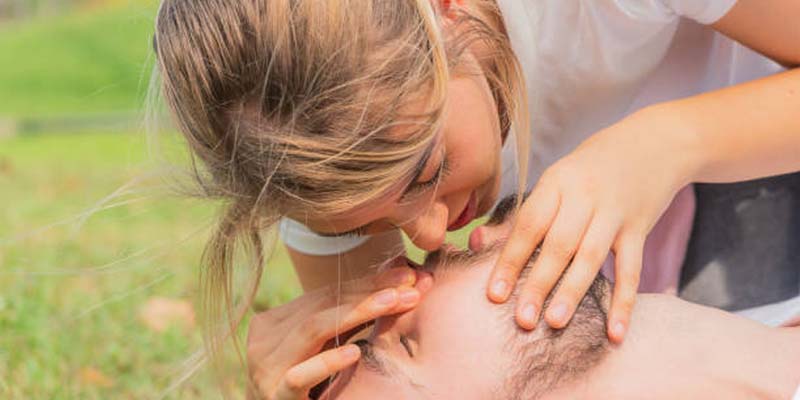
Mouth-to-mouth resuscitation is crucial in saving lives during emergencies when normal breathing stops. It ensures oxygen delivery to the victim’s lungs, essential for maintaining vital organ function. Understanding the indication for mouth-to-mouth rescue breaths helps identify when this life-saving technique should be applied.

This method is critical in situations like drowning, respiratory arrest, or opioid overdose, where oxygen deprivation is the primary concern. In such cases, chest compressions alone may not supply enough oxygen to sustain the brain and other critical organs. Combining mouth-to-mouth resuscitation with chest compressions provides both oxygen and circulation, increasing the chances of survival.

What Symptoms Indicate The Necessity Of Mouth-To-Mouth Resuscitation?

Knowing when breaths are recommended for CPR can save lives in critical moments. Understanding the symptoms requiring this intervention ensures prompt and effective action. Below are common scenarios where the indication for mouth-to-mouth rescue breaths is crucial. Each highlights the need for oxygen delivery to sustain life when normal breathing ceases.

Patient not breathing
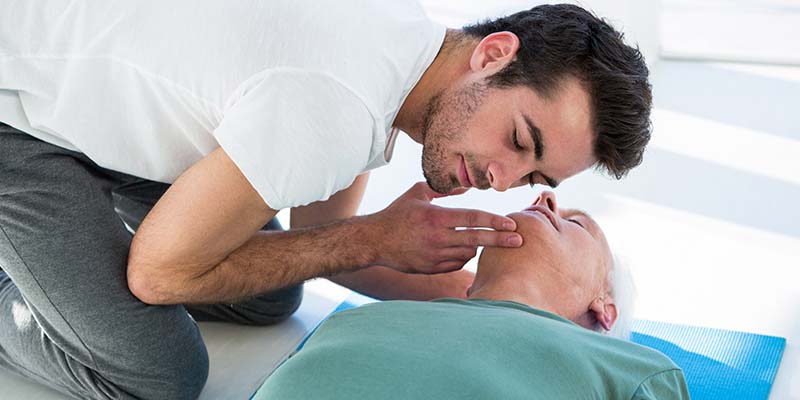
The most evident indication for mouth-to-mouth rescue breaths is when a person is not breathing. If their chest does not rise or fall and there is no airflow from their nose or mouth, immediate intervention is required. Rescue breaths in CPR provide essential oxygen, buying time until professional help arrives. Combining rescue breaths with chest compressions is vital to restore oxygen and circulation, especially when breathing is the primary issue.

Respiratory distress

Severe respiratory distress, marked by rapid or difficult breathing, can lead to respiratory arrest. If the victim progresses to ineffective or absent breathing, mouth-to-mouth rescue breaths become necessary. For example, asthma attacks or airway obstructions may impair oxygen intake. Here, breaths are recommended for CPR to ensure adequate oxygenation. This step is particularly crucial when breathing ceases entirely, signaling the need for immediate intervention.

Cardiac arrest

The heart does not pump blood, and breathing often halts during cardiac arrest. While hands-on CPR focuses on chest compressions, the indication for mouth-to-mouth rescue breaths applies if the arrest is due to respiratory causes like drowning or drug overdose. These breaths provide oxygen critical for the victim’s survival until their heart rhythm can be restored, especially in scenarios involving non-cardiac origins of the arrest.

Drowning or suffocation
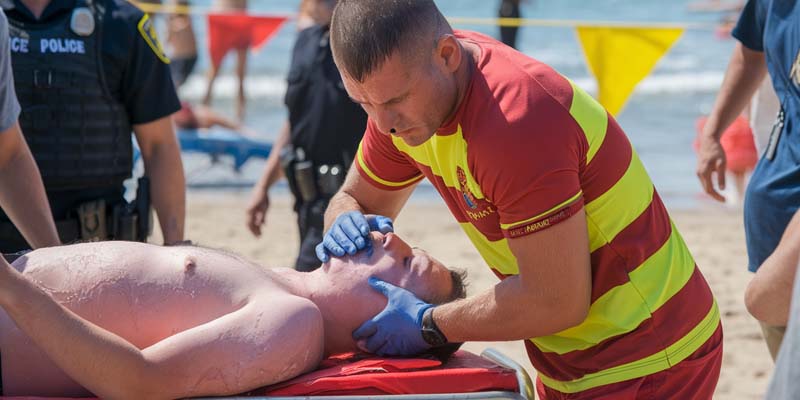
Victims of drowning or suffocation often lack oxygen entirely, making mouth-to-mouth resuscitation essential. In such cases, breaths are recommended for CPR to reintroduce oxygen to the lungs and bloodstream. Since water or obstruction disrupts normal breathing, this step ensures the brain and other vital organs receive the oxygen needed to prevent permanent damage. Immediate action is crucial for survival.

Drug overdose or poisoning

Certain drug overdoses or poisoning can suppress the respiratory system, causing breathing to stop. When this happens, the indication for mouth-to-mouth rescue breaths becomes clear. Rescue breaths provide a temporary oxygen supply, stabilizing the victim until medical intervention addresses the underlying cause. Combining rescue breaths with chest compressions can significantly add to the survival chances in such emergencies.

Anaphylaxis

Anaphylaxis or severe allergic reaction, may cause airway swelling and respiratory failure. If the victim stops breathing, mouth-to-mouth resuscitation is vital. Breaths are recommended for CPR to ensure oxygen reaches the bloodstream despite airway obstruction. Acting quickly with rescue breaths helps bridge the gap until epinephrine or emergency care resolves the allergic reaction.

Trauma

Severe trauma, such as head or chest injuries, can impair the victim’s ability to breathe. In such cases, the indication for mouth-to-mouth rescue breaths arises if breathing stops or becomes ineffective. Rescue breaths provide oxygen while addressing other injuries. Ensuring proper head positioning during rescue breaths is critical to avoid further complications in trauma patients.

Choking

Choking obstructs airflow to the lungs, and if the airway cannot be cleared, mouth-to-mouth resuscitation may be required once the obstruction is dislodged. Breaths are recommended for CPR after the blockage is successfully removed to restore oxygen levels and stabilize the victim. Acting promptly ensures that the oxygen supply resumes, preventing severe complications like brain damage or death.

How To Do Mouth-To-Mouth Resuscitation?
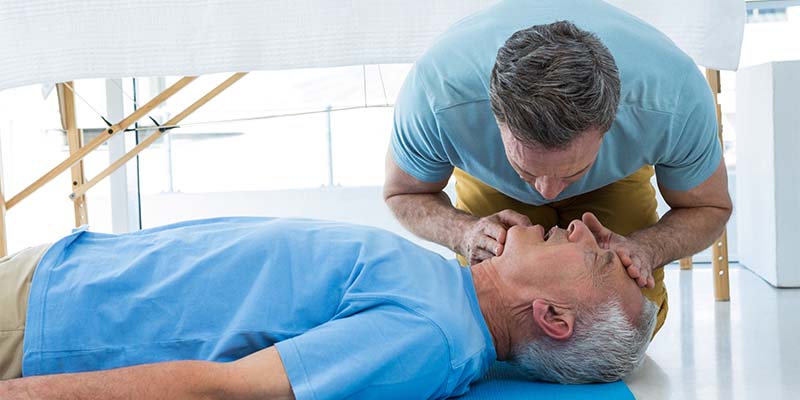
Knowing how to perform mouth-to-mouth resuscitation correctly is critical during emergencies. The techniques vary slightly for adults, older children, or infants to accommodate their anatomical differences. Recognizing the indication for mouth-to-mouth rescue breaths ensures you act appropriately to deliver life-saving oxygen in situations like respiratory arrest or choking. Follow these guidelines based on the victim’s age group.

For adults and older children

Mouth-to-mouth resuscitation for adults and older children follows a structured process:

  • Check responsiveness and breathing- Tap the person’s shoulder and ask loudly, “Are you okay?” Look for minimum breathing signs, such as chest movement or airflow sounds.
  • Clear the airway- Tilt the head slightly by lifting the chin and touching the forehead. Ensure there is no visible obstruction in the mouth or throat.
  • Deliver rescue breaths- Pinch the nose shut to prevent air from escaping. Seal your mouth over the victim’s mouth. Give two slow, steady breaths (about 1 second each), watching the chest rise. If the chest don’t rise, reposition the head and repeat the process. Alternate with compressions if needed:

For infants

Performing mouth-to-mouth resuscitation on infants requires a gentler approach due to their smaller airways and bodies:

  • Check for responsiveness- Gently tap the infant’s foot or shoulder and check for breathing or responsiveness.
  • Clear the airway: Place the infant on a firm surface. Tilt the head slightly back by placing one hand on the forehead and gently lifting the chin. Avoid overextending the neck.
  • Deliver rescue breaths- Cover the infant’s nose and mouth with your mouth and create a seal. Blow gently for about 1 second, just enough to see the chest rise. Give two breaths, watching closely for chest movement. Alternate with compressions if needed.

Does the CPR Certification Course Include a Mouth-To-Mouth Resuscitation Lesson?

Yes, most CPR certification courses include lessons on mouth-to-mouth resuscitation. These courses prepare participants for various emergency scenarios, including those requiring rescue breaths. While hands-on CPR is often emphasized for untrained bystanders, many certification programs teach when and how breaths are recommended for CPR.

Participants learn to recognize situations where rescue breaths are necessary, such as in cases of drowning, respiratory arrest, or for victims like infants and children. Instructors provide hands-on practice, demonstrating proper airway-clearing techniques, delivering effective breaths, and combining them with chest compressions.

Understanding mouth-to-mouth resuscitation ensures that certified individuals are equipped to provide comprehensive care. Whether the emergency involves a child, an adult, or a particular situation, certification courses emphasize the importance of oxygen delivery alongside circulation, improving survival outcomes in critical moments.

What Precautions To Consider For Mouth-To-Mouth Resuscitation?

When performing mouth-to-mouth resuscitation, it’s essential to take precautions to ensure safety and effectiveness:

  • Check for responsiveness and breathing- Confirm the victim is unresponsive and not breathing before starting rescue breaths.
  • Protect yourself—If available, Use a barrier device, such as a face shield, to reduce the risk of disease transmission.
  • Clear the airway- Remove visible obstructions from the mouth and throat to ensure adequate airflow.
  • Avoid excessive force- Deliver gentle breaths, watching for the chest to rise to prevent lung damage.
  • Reassess regularly- Check for breathing or circulation and adjust as needed.

Wrapping up

Understanding the indication for mouth-to-mouth rescue breaths is vital for providing adequate emergency care. From respiratory distress to cardiac arrest, recognizing when mouth-to-mouth resuscitation is necessary and performing it correctly can save lives. Whether for adults, children, or infants, this essential skill ensures oxygen delivery to vital organs until professional help arrives. By knowing these life-saving techniques and precautions, you can confidently respond to critical situations.

Ready to learn more? Enroll in a CPR certification course with Simple CPR today and equip yourself with the skills to save a life!

FAQ

What is Mouth Resuscitation?
Mouth-to-mouth resuscitation (CPR) is a life-saving technique in which a rescuer breathes directly into a victim’s mouth to supply oxygen to their lungs. It is often used during CPR in emergencies involving respiratory failure.

How does Mouth-to-Mouth Resuscitation Work?
The rescuer exhales air into the victim’s lungs, providing oxygen and helping maintain airflow when the victim cannot breathe independently.

When was Mouth-to-Mouth Resuscitation Invented?
Modern mouth-to-mouth resuscitation was introduced in the 1950s and became widely accepted after research demonstrated its effectiveness.

How does mouth-to-mouth resuscitation differ between infants, children, and adults?
For infants, you cover both the mouth and nose- for children, use gentle breaths- for adults, use full breaths while ensuring the airway is open.

Is Mouth-to-Mouth Resuscitation Effective?
Yes, it effectively supplies oxygen during respiratory emergencies, especially when combined with chest compressions.

What are the Alternatives for Mouth-to-Mouth Rescue Breathing?
Alternatives include bag-valve masks and mechanical ventilation, which reduce direct contact while delivering oxygen.

How does the use of a bag-valve mask differ from direct mouth-to-mouth breathing?
A bag-valve-mask uses a self-inflating bag to deliver oxygen, minimizing physical contact and improving oxygen concentration.

Can mouth-to-mouth resuscitation be used on a pet like a dog or cat?
Yes, mouth-to-mouth can be performed on pets, with adjustments to fit their anatomy, such as sealing the mouth and breathing into the nose.

When should you use mouth-to-mouth resuscitation?
It is used when the victim is unresponsive, not breathing, or has inadequate breathing, especially in cases of respiratory failure.

What is the indication for rescue breaths?
Rescue breaths are indicated when a victim is not breathing adequately or at all, such as in drowning, overdose, or cardiac arrest.

What is the reason for mouth-to-mouth CPR?
It provides oxygen to the lungs and bloodstream when the victim cannot breathe, supporting organ function until professional help arrives.

Why is mouth-to-mouth no longer recommended?
In some cases, hands-only CPR is preferred for bystander safety, but rescue breaths are still critical for specific emergencies.

What is the most reliable indicator of effective rescue breathing?
The most reliable indicator is a visible chest rise with each breath delivered.

Why do we give five rescue breaths?
Five rescue breaths are given initially for drowning or asphyxiation victims to provide immediate oxygen to the lungs.

What percentage of oxygen is in mouth-to-mouth respiration?
Mouth-to-mouth respiration delivers approximately 16-17% oxygen, compared to 21% in ambient air.

What is the difference between CPR and mouth-to-mouth resuscitation?
CPR combines chest compressions and rescue breaths, while mouth-to-mouth focuses solely on breathing support.

When did CPR stop using mouth-to-mouth?
Hands-only CPR for bystanders was emphasized in 2010 guidelines, though mouth-to-mouth remains essential in some instances.

What Are Some Special Considerations When Using An AED?

What Are Some Special Considerations When Using An AED?

The Automated External Defibrillator (AED) is a life-saving device when responding to a cardiac emergency. However, there are special considerations that every responder should understand. These considerations ensure the device is used effectively and safely, providing the victim with the best chance of survival.

In this article, we provide a solution to the frequently asked question: What are some special considerations when using an AED? From recognizing environmental hazards to addressing specific scenarios like wet surfaces or the presence of implanted medical devices, knowing how to adapt to these factors is essential. Understanding these key points helps avoid common mistakes and ensures the AED works as intended.

Whether you’re a trained first responder or a bystander with access to an AED, learning these guidelines is critical to providing practical assistance. Read on to discover what you need to know to act quickly and safely in emergencies.

What Are The Environmental Considerations?

AED’s safe and effective use is also influenced the environmental factor. Being vigilant can help prevent accidents and ensuring, both the rescuer and the victim are safe. Below, we’ll explore critical considerations, including weather conditions, water hazards, flammable materials, and metal surfaces, to help you navigate various environments confidently using an AED.

Weather

Extreme weather conditions can affect AED usage. If it’s raining or snowing, ensure the victim is dry before attaching the AED pads, as moisture can interfere with the device’s effectiveness and potentially cause harm. Wind and debris might also pose challenges. Always prioritize safety by moving the victim to a sheltered area, if possible, and follow the AED’s instructions carefully to ensure accurate analysis and shock delivery.

Water hazard

Water poses significant risks when using an AED. If the victim is on a wet surface or near water, move them to a dry, safe location before applying the device. Moisture can conduct electricity, increasing the risk of harm to the rescuer and the victim. Dry the victim’s chest thoroughly to ensure proper pad adhesion and electrical delivery. Always keep the AED away from water to prevent damage to the device.

Inflammable materials

The presence of flammable materials requires extra caution. AEDs generate an electrical charge, and sparks ignite flammable substances such as gasoline, alcohol, or certain chemicals. Always inspect the surroundings for potential hazards before using the device. If you identify inflammable materials, move the victim to a safer area to minimize risks before proceeding with AED usage.

Metal surface

Metal surfaces, such as bleachers or construction platforms, conduct electricity, posing a safety hazard. If the victim is lying on metal, relocate them to a non-conductive surface before using the AED. Ensure that no one, including the rescuer, is in contact with the metal during shock delivery. These precautions will reduce the risk of accidental electrical conduction and maximize the AED’s effectiveness.

What Factors To Consider For Individual Persons?

When using an AED, it’s essential to recognize unique factors related to the individual requiring treatment. These include pregnancy, pacemakers, transdermal medical patches, chest hair, and age-specific considerations for children under 8. Addressing these scenarios ensures effective defibrillation while prioritizing safety. Below, we’ll discuss the special considerations for defibrillation in each case, including guidelines for different conditions and situations.

Pregnancy

AEDs can be safely used on pregnant individuals. Delivering a shock when needed is crucial to save both the mother and the unborn child. CPR and defibrillation help restore blood flow, which benefits both lives. Ensure proper pad placement, avoiding direct contact with the belly, and proceed without hesitation. Effective use of the AED during pregnancy can make a significant difference in emergency outcomes.

Individuals with pacemakers

Can you use an AED on anyone with a pacemaker? Yes, but with caution. Pacemakers are small medical devices implanted under the skin to regulate heart rhythm. When using an AED, place the pads at least one inch away from the pacemaker to avoid interference. You can identify a pacemaker as a small bump beneath the skin near the chest or shoulder area. Follow this guideline to ensure proper defibrillation.

Transdermal medical patches

When encountering transdermal medical patches, remove them before applying AED pads to prevent burns or interference with the electrical current. Wear gloves to remove the patch and clean the area to ensure good pad contact. Leaving the patch in place could obstruct the shock delivery, reducing the AED’s effectiveness. Properly addressing this issue is critical in providing safe and effective defibrillation.

Chest hair

Excessive chest hair can prevent AED pads from adhering correctly, reducing the effectiveness of the shock. If the pads do not stick, use a razor—often included in AED kits—to shave the area where they will be placed. In urgent cases, you can use one set of pads to pull off hair and then apply a new set. This ensures a strong connection for the defibrillation process.

AED for children under 8 years

What are the special considerations for defibrillation in children under 8? AEDs can be used on children under eight but require pediatric pads or settings to deliver a lower energy shock suitable for their smaller bodies. If pediatric pads are unavailable, standard pads can be used in emergencies by ensuring they do not touch each other. Proper adjustments are essential to deliver safe and effective care for young children.

What Are The Circumstantial Considerations?

Understanding what exceptional circumstances a rescuer should consider when using an AED is vital for ensuring effective and safe operation. Circumstantial factors include troubleshooting potential AED malfunctions and adhering to crucial safety measures. When using an AED, these special considerations help disperse risk factors and improve the likelihood of a successful outcome. Below, we explore these topics to address special considerations when using an AED in unique situations.

Troubleshooting faulty components

In emergencies, knowing how to troubleshoot AED issues is essential. Faulty components can delay critical care, so it’s crucial to identify and resolve problems quickly. What are the special considerations for defibrillation when dealing with AED malfunctions? Follow these guidelines:

  • Check for low battery- If the AED shows a low battery alert, replace the battery immediately if a spare is available.
  • Inspect pad placement- Ensure AED pads are correctly attached to the chest and securely connected to the device. Misplaced or loose pads can interfere with analysis and shock delivery.
  • Listen for error messages- Modern AEDs often provide verbal instructions or display error codes. Follow these cues to troubleshoot the issue.
  • Test replacement components- If the AED malfunctions, replace faulty pads or cables. Keeping spare parts in AED kits can prevent delays.

By addressing these issues promptly, you can minimize disruptions and ensure the AED operates as intended.

Safety measures

Adhering to safety precautions is one of the most critical considerations when using an AED. Safeguarding the rescuer, victim, and bystanders ensures a safe environment for defibrillation. Follow these safety measures:

  • Clear the area- Ensure no one has any physical contact with the victim while shock delivery to prevent accidental conduction of electricity.
  • Be mindful of environmental hazards- Avoid using the AED near water, metal surfaces, or flammable materials, as these can increase risks.
  • Confirm readiness before shocking- Always follow the AED’s prompts and ensure proper pad placement before delivering a shock.
  • Educate bystanders- Inform bystanders to stay clear during analysis and shock administration to reduce potential injuries.

By prioritizing safety, you enhance the effectiveness of defibrillation and protect everyone involved. These considerations are crucial for any rescuer to respond effectively in high-pressure situations.

Wrapping Up

Understanding what special considerations for defibrillation are necessary ensures the safe and effective use of an AED in various circumstances. These guidelines empower responders to act confidently during emergencies, from environmental hazards to individual factors and troubleshooting malfunctions. Recognizing the importance of safety and proper AED use can make the difference between life and death. Preparing is vital, whether accounting for water hazards, pacemakers, or pediatric care.

Stay prepared to save lives—visit Simple CPR today to access expert training and learn more about proper AED use and life-saving techniques.

FAQs:

What should I do before using an AED?
Ensure the area is safe, check for responsiveness, call emergency services, and begin CPR if necessary until the AED is ready for use. Follow the device’s prompts carefully.
Can I use an AED on a wet surface or wet person?
No, ensure the person is moved to a dry surface and their chest is dry before applying the AED pads to avoid electrical risks.
Are AEDs safe to use on children?
Yes, many AEDs have pediatric settings or specific pads designed for children. Use pediatric pads or adjust the device if instructed by the manufacturer for children under 8 years or under 55 pounds.
What if the person has a pacemaker or other medical implant?
Avoid placing AED pads directly over the pacemaker or implant. Position the pads slightly away from the device as instructed in the AED manual.
Can I use an AED if the person has chest hair?
Yes, but if the chest hair is excessive and interferes with pad placement, use the razor included in the AED kit to shave the area where pads will be placed.
Should I remove a person’s clothing before using the AED?
Yes, expose the chest to allow proper pad placement. Remove any metal jewelry or objects near the chest area to avoid interference.

Stay Safe While Saving Lives: When AED Rescuers Should Clear the Victim

Stay Safe While Saving Lives: When AED Rescuers Should Clear the Victim

When responding to a cardiac emergency, using an automated external defibrillator (AED) can make the difference between life and death. AEDs deliver a shock to the heart, helping it regain a normal rhythm. However, rescuers must know when to clear the victim during the process to ensure safety and effectiveness.

Clearing the victim means making sure no one is in physical contact with them when the AED analyzes their heart rhythm or delivers a shock. This step is essential to prevent accidental harm to rescuers and to ensure the AED functions correctly.

In this article, we’ll explain why clearing the victim is necessary, outline the specific moments when it must be done, and provide practical tips for staying safe during these critical moments. These guidelines help protect both rescuers and victims.

What Is AED?

An Automated External Defibrillator (AED) is a medical device that is portable and designed to help restore a regular heart rhythm in those experiencing sudden cardiac arrest. It analyzes the heart’s electrical activity and, if necessary, delivers a shock to the heart.

AEDs are user-friendly and provide voice and visual prompts to guide rescuers through the process. They are commonly found in public places like airports, schools, and offices for easy access during emergencies. Quick use of an AED, combined with CPR, significantly improves a victim’s chances of survival until professional medical help arrives.

How Does It Work?

An AED works to determine the bassessesart’s electrical rhythm and whether a shock is needed to restore normal function. When turned on, the device delivers clear, step-by-step instructions to the rescuer. The rescuer places adhesive pads, called electrodes, on the victim’s chest. The AED analyzes the heart rhythm and, if necessary, instructs the user to clear the victim before delivering a shock. The shock temporarily stops the heart, giving it time to beat usually. AEDs safe and intuitive, allowing even untrained individuals to provide life-saving assistance.

Why Is AED Access Important?

Access to AEDs is critical in emergencies involving sudden cardiac arrest, where every second counts. The survival rate decreases significantly with each minute that defibrillation is delayed. AEDs prevents the onset of cardiac arrest before the arrival of professional medical help, providing a vital opportunity to save lives. Strategically placing AEDs in public spaces ensures they are readily available when needed, empowering bystanders to take immediate action. Accessible AEDs, paired with prompt CPR, significantly increase the likelihood of survival and recovery for cardiac arrest victims.

When Can The Rescuer Operating AED Clear The Victim?

Using an AED during a cardiac emergency requires following the proper steps for safety and effectiveness. One critical safety measure is knowing when the AED rescuer should clear the victim. Clearing the victim means ensuring no one, including the rescuer, touches during certain key moments. Understanding these moments is essential to prevent harm to bystanders and allow the AED to function correctly.

Below, we’ll discuss the specific instances when the rescuer should clear the victim and why these steps are essential.

During Heart Rhythm Analysis

When the AED begins analyzing the heart’s rhythm, the rescuer must clear the victim. This step is crucial because physical contact with the victim can interfere with the device’s ability to assess the heart’s electrical activity accurately. The AED will typically prompt rescuers with a voice command, such as “Stand clear,” ensuring no interference occurs during this process.

Before Delivering a Shock

Another critical moment when the rescuer operating the AED should clear the victim is just before the shock is delivered. Physical contact with the victim during the shock could cause the electrical current to pass to the rescuer or bystanders, posing a risk of injury. Always confirm that everyone is clear before pressing the shock button.

After Delivering a Shock

After the AED delivers a shock, rescuers can resume chest compressions if directed by the device. Touching the victim after the shock is safe as long as the AED does not signal otherwise.

By clarifying when the rescuer should clear the victim, you can provide life-saving assistance effectively while maintaining safety for everyone involved.

What Should Be Considered Before Clearing A Cardiac Arrest Victim?

Using an AED requires careful attention to the victim’s condition and the environment. Knowing when the rescuer should operate the AED to clear the victim is critical, but several factors can influence how this is done. Special situations, such as pediatric patients or those with unique physical characteristics, require extra care. Below, we discuss critical considerations for ensuring safety and effectiveness during AED use.

Pediatric Patients

When dealing with pediatric patients, use pediatric electrode pads if available, as they are specifically designed for smaller bodies. If pediatric pads are unavailable, standard pads can be used for children over one year old, but placement is adjusted (front and back of the torso). When should the rescuer clear the victim? The same rules apply—clear the victim during rhythm analysis and before delivering a shock.

Patients with a Medication Patch

If the victim has a medication patch on their chest, it must be removed before attaching the AED pads. Leaving the patch in place could interfere with the shock or cause burns. Always clear the victim during rhythm analysis and shock delivery, ensuring no contact is made.

Wetness and Water

For wet or lying victims in the water, dry their chests thoroughly before placing AED pads. Water can conduct electricity, increasing the risk to rescuers. Ensure the victim is on a dry surface and follow the standard protocol for clearing the victim.

Pacemaker or Implantable Devices

Avoid placing the AED pads directly over the device if the victim has a visible pacemaker or defibrillator. Proper pad placement and adherence to when the rescuer should operate the AED and clear the victim protocols ensure safe use.

Hairy Chest

A hairy chest can prevent the pads from adhering correctly. If needed, use the razor in the AED kit to shave the area. Ensure the chest is prepared properly to avoid delays during critical moments.

Wrapping up

Understanding when the rescuer should clear the victim is essential for ensuring safe and effective AED use during cardiac emergencies. By recognizing critical moments such as rhythm analysis and shock delivery and addressing factors like pediatric patients, medication patches, wetness, pacemakers, and hairy chests, rescuers can confidently provide life-saving care. Thorough preparation and knowledge can make the difference between life and death.

At SimpleCPR, we provide comprehensive training to equip you with the skills and confidence to act during emergencies. Enroll in our CPR and AED courses today to learn more about these crucial techniques and save lives!

FAQ

How practical is AED usage in cardiac emergencies?
AEDs are highly effective, significantly increasing survival rates when used promptly alongside CPR during sudden cardiac arrest. Early defibrillation can double or triple a victim’s chance of survival.

What are the potential risks or side effects associated with AED usage?
Risks include minor skin burns from electrode pads or injury from incorrect use, but these are rare compared to the life-saving benefits of timely defibrillation.

Is AED usage different for adults, children, and infants?
Pediatric pads and settings are used for children under 8 years old or weighing less than 55 pounds- for infants, a manual defibrillator is preferred if available.

Can AEDs be used on pregnant women?
Yes, AEDs can safely be used on pregnant women. Saving the mother’s life also improves the baby’s chances of survival.

What are the common misconceptions about AED usage?
Common myths include the idea that AEDs are too complex to use or can harm a healthy heart, but AEDs are user-friendly and only deliver shocks when needed.

Are there different types of AEDs, and how do you choose the right one?
AEDs vary by brand, portability, and features- choose one based on ease of use, clear instructions, and compatibility with local requirements (e.g., pediatric pads).

What are the legal implications of AED usage in public places?
Good Samaritan laws typically protect bystanders using AEDs in emergencies, provided the device is used in good faith and according to instructions.

How often should AEDs be checked for maintenance?
AEDs should be inspected monthly to ensure that the batteries, pads, and the device itself are in working condition, per the manufacturer’s guidelines.

Can an AED be used on someone who has a pacemaker?
Yes, but avoid placing the electrode pads directly over the pacemaker to ensure effective shock delivery.

Is it safe to use an AED on a person who is wet or lying on a metal surface?
Dry the chest thoroughly before using an AED- ensure no one is in contact with the metal surface or water during defibrillation to avoid conduction risks.

Can an AED be used on infants with congenital heart defects?
An AED can be used, but a manual defibrillator is preferred. Ensure pediatric pads are used to adjust the energy levels appropriately.

Are there any contraindications for using an AED on a pregnant woman?
No, AED use is safe for pregnant women as it helps save the mother and increases the chances of survival for the baby.

Does using an AED guarantee survival in all cases of cardiac arrest?
No, AEDs improve survival chances significantly, but outcomes depend on factors like response time, the cause of arrest, and prompt CPR.

How does CPR training prepare individuals for practical AED usage?
CPR training teaches the proper use of AEDs, including pad placement, victim clearance, and integration with chest compressions, boosting rescuer confidence.

What role does AED usage play in CPR training certifications?
AED usage is critical to CPR certifications, ensuring individuals are prepared to respond effectively during cardiac emergencies.

How can AED usage during CPR training improve survival rates?
Training emphasizes the importance of prompt AED use with CPR, increasing confidence and improving survival rates in real emergencies.

Why does clearing the victim matter?
Clearing the victim prevents accidental shock delivery to rescuers and ensures the AED can effectively analyze and deliver a shock.

When can rescuer operating the AED clear the victim?
Rescuers should clear the victim during rhythm analysis and just before delivering a shock, as instructed by the AED.

When should a rescuer begin CPR while operating AED?
CPR should be resumed immediately after a shock is delivered or when AED advises “no shock needed,” following its prompts.

What do you do after an AED says no shock is advised?
Immediately resume chest compressions and continue following the AED’s prompts until emergency help arrives or the victim shows signs of life.

What does clear mean when using the AED?
“Clear” means ensuring no one is touching the victim to avoid interfering with the AED or receiving an accidental shock.

Before administering a shock, how to clear a pateint?
Announce “Clear!” loudly, visually confirm no one is in contact with the victim, and proceed only when the area is safe.

Should you continue CPR until an AED prompts to clear?
Yes, perform CPR until the AED instructs you to stop for rhythm analysis or shock delivery.

What happens if you touch a person while the AED is delivering a shock?
Touching the person can cause the shock to transfer to you, potentially leading to injury and reducing the shock’s effectiveness.

Why does the rescuer stand clear from the victim after attaching the cord to the AED machine?
Standing clear ensures the AED can analyze the heart rhythm without interference and protects rescuers from accidental shocks.

What should the rescuer do after the AED delivers a shock?
Immediately resume CPR as directed by the AED, starting with chest compressions, and continue until further instructions are provided.