


Category Archives: Uncategorized

CPR Breathing Barriers: Why Every First Responder (And Parent) Needs One!

A CPR breathing barrier is a simple yet essential tool that protects the rescuer and the victim during mouth-to-mouth resuscitation. These barriers prevent direct contact, reducing the risk of disease transmission while ensuring effective rescue breaths. Whether you are a first responder, a healthcare professional, or a parent, having one readily available can make a critical difference in an emergency.

CPR is a life-saving skill, but safety should always be a priority. Using a breathing barrier adds an extra layer of protection without compromising the effectiveness of rescue efforts. These barriers come in different forms, such as face shields and pocket masks, making them easy to carry and use.

Understanding how to correctly use a CPR breathing barrier can give you the confidence to act quickly in an emergency. This article explains their importance, types, and how they can help save lives while keeping rescuers safe.
What Are CPR Breathing Barriers?

CPR breathing barriers are protective devices used during rescue breaths to prevent direct contact between the rescuer and the victim. They help reduce the risk of transmitting infections while allowing adequate ventilation.

These barriers come in two main types: face shields and pocket masks. Face shields are lightweight and disposable and have a one-way valve to block fluids. Pocket masks are more durable and provide a better seal for improved airflow. Many include an oxygen inlet for improved ventilation.

Compact and easy to carry, CPR breathing barriers are essential for first responders, healthcare providers, and anyone trained in CPR.

How CPR Breathing Barriers Work

CPR breathing barriers create a protective layer between the rescuer and the victim while allowing effective rescue breaths. They help prevent the exchange of saliva, blood, and other fluids, reducing the risk of infection.

Step-by-Step Guide on Usage

Using a Face Shield:

  • Unfold the face and place it over the victim’s mouth. Ensure the one-way valve or filter is positioned over the victim’s mouth.
  • Pinch the victim’s nose shut to prevent air leakage.
  • Give two rescue breaths through the barrier, watching for chest rise.
  • Continue CPR as needed, following standard guidelines.

Using a Pocket Mask:

  • Keep the mask over the victim’s mouth and nose, ensuring a secure seal.
  • If available, connect supplemental oxygen to the mask’s inlet.
  • Hold the mask firmly using the E-C hand technique (place your thumb and index finger in a “C” shape around the mask while the other fingers lift the chin).
  • Deliver two slow breaths, watching for chest rise.
  • Continue CPR as necessary, ensuring proper ventilation.

Carrying a CPR breathing barrier ensures safety and preparedness in an emergency.s

Types Of CPR Breathing Barriers

CPR breathing barriers come in different forms, and each design offers protection while delivering effective rescue breaths. The most common types include:

Pocket Masks:

Rigid, reusable masks that create a secure seal over the victim’s mouth and nose. Equipped with a one-way valve to prevent contamination. Some models have an oxygen inlet for supplemental oxygen.

Face Shield

These lightweight, disposable barriers have a built-in one-way and are designed for easy portability and quick deployment. They provide a basic level of protection while allowing proper airflow.

Bag-valve masks (BVMs)

These are used primarily by healthcare professionals and first responders. They include a self-expanding bag, mask, and oxygen reservoir for advanced ventilation.

Keychains with Face Shields:

These are compact and convenient for carrying daily and ideal for lay rescuers and personal use.
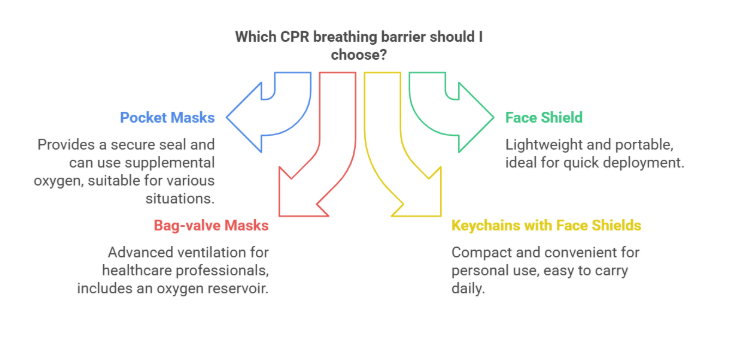
Types Of CPR Breathing Barriers

Benefits Of Using CPR Breathing Barriers

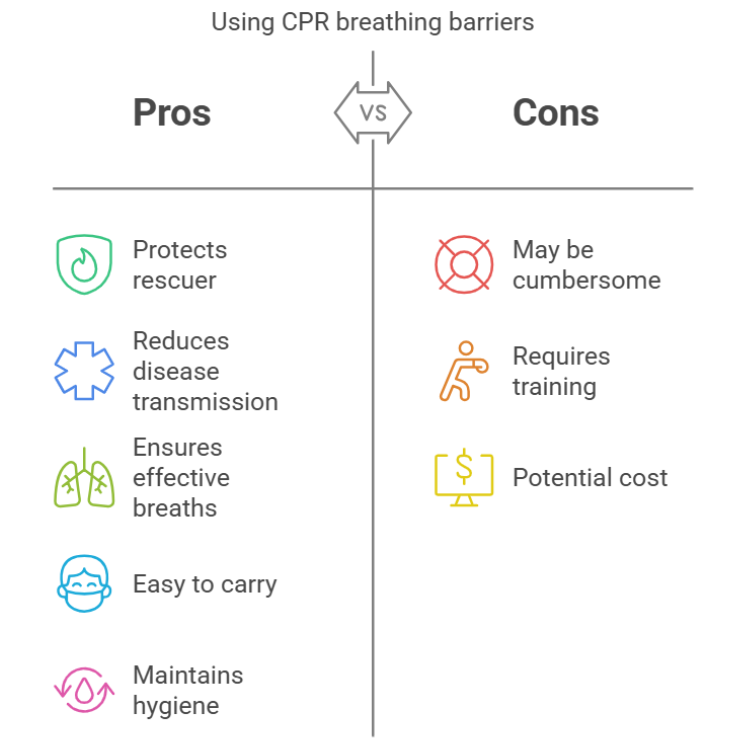
CPR breathing barriers provide essential protection while ensuring effective and safe rescue breaths. They offer numerous advantages.

Safety

Using a CPR breathing barrier minimizes the risk of infection for both the rescuer and the victim. These barriers prevent direct contact with saliva, blood, and other bodily fluids, reducing the transmission of diseases such as colds, flu, or more serious infections. The added protection encourages more bystanders to perform CPR without hesitation, increasing the chances of survival for a victim in need.

Hygiene

CPR breathing barriers are designed with one-way valves and filters, preventing contaminants from passing between individuals. Disposable face shields are single-use, ensuring a clean and sanitary approach to CPR. Pocket masks, adequately sanitized, can be reused, offering a long-term hygienic solution for first responders and trained rescuers.

Efficiency

These barriers facilitate proper airflow, ensuring that rescue breaths are delivered effectively. Pocket masks provide a secure seal, allowing for improved oxygen delivery and ventilation. Their compact design makes them easy to carry, whether in a first aid kit, keychain pouch, or emergency response bag.
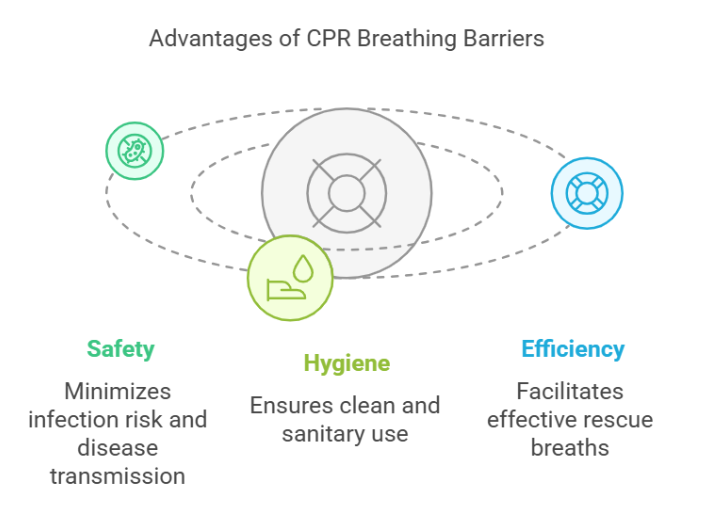
Benefits Of Using CPR Breathing Barriers

Who Should Carry a CPR Breathing Barrier?

A CPR breathing barrier is an essential tool for anyone trained in CPR. It provides protection while delivering life-saving breaths. Whether you are a first responder, parent, teacher, or caregiver, having one readily available ensures you can act quickly in an emergency.

First responders and healthcare professionals rely on breathing barriers to maintain hygiene and safety while assisting patients. Parents and caregivers can use them as protection for anyone during unexpected emergencies at home or in public. Teachers, coaches, and childcare providers also benefit from carrying a CPR breathing barrier, as they are often responsible for children who may require immediate assistance.

Since emergencies can happen anywhere, keeping a breathing barrier in a first aid kit, purse, backpack, or keychain pouch ensures you are always prepared. By carrying this small but essential device, you can confidently perform CPR while reducing health risks for yourself and the victim.
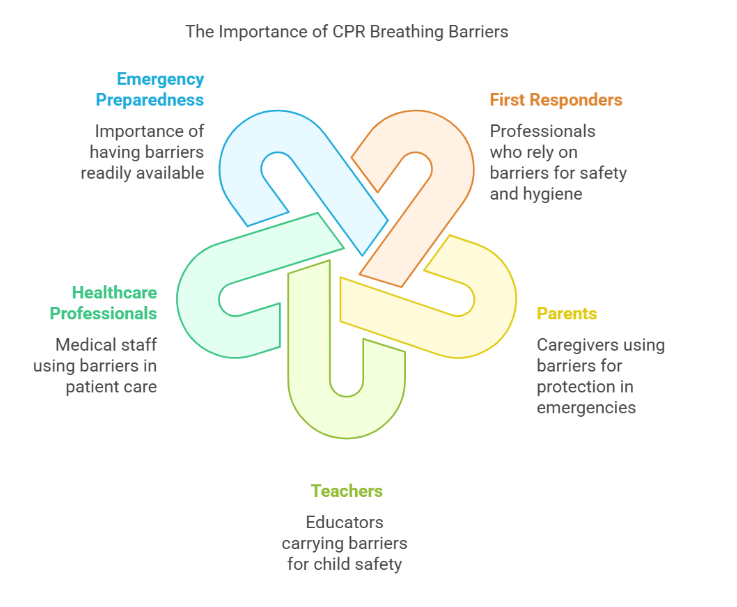
Who Should Carry a CPR Breathing Barrier?

CPR Breathing Barriers for First Responders

First responders, including paramedics, firefighters, and police officers, frequently perform CPR in high-risk situations. A CPR breathing barrier is critical to ensure rescuer and patient safety while maintaining adequate ventilation.

Since first responders encounter victims with unknown medical histories, breathing barriers protect against the transmission of infectious diseases. Poasks and bag-valve masks (BVMs) are commonly used in professional settings, providing a secure seal for better oxygen delivery. Many models include oxygen inlets, allowing for advanced ventilation when needed.

Since first responders encounter victims with unknown medical histories, breathing barriers protect against the transmission of infectious diseases. Poasks and bag-valve masks (BVMs) are commonly used in professional settings, providing a secure seal for better oxygen delivery. Many models include oxygen inlets, allowing for advanced ventilation when needed.

CPR Breathing Barriers for Parents and Caregivers

Close family members like parents respond first when a child or family member experiences a medical emergency. A CPR breathing barrier provides an added layer of protection, ensuring safe and effective rescue breaths while reducing the risk of infection.

Children and infants may require CPR due to choking, drowning, or sudden cardiac emergencies. A face shield or pocket mask helps deliver proper ventilation while minimizing direct contact. Some pocket masks are specifically designed for pediatric use, providing a better seal for more minors facing a CPR breathing barrier readily available in a diaper bag, first aid kit, or glove compartment, ensuring parents and caregivers can act quickly when needed. Many models have a compact design, making them easy to carry.

How to Choose the Best CPR Breathing Barrier

Selecting the proper CPR breathing barrier ensures safety, efficiency, and ease of use in an emergency. Key factors to consider include:

  • Portability: Choose a compact design that fits in a first aid kit, pocket, or keychain pouch for easy access. Face shields are lightweight and disposable, while pocket masks offer better protection but require more space.
  • Ease of Use: A good quality breathing barrier should be simple to deploy, even under stress. Look for features like one-way valves and clear instructions to ensure proper placement.
  • Material Quality: Durable materials ensure reliability. Face shields should have strong filters, and pocket masks should be high-quality silicone or plastic for a secure seal.

Consider your specific needs—first responders may prefer pocket masks with oxygen inlets, while parents and bystanders may opt for compact face shields. Choosing the best barrier ensures safe and effective CPR whenever needed.

How to Maintain and Store CPR Breathing Barriers

Proper maintenance and storage of a CPR breathing barrier ensure its effectiveness during an emergency. Follow these guidelines:

  • Cleaning: If using a reusable pocket mask, clean it with warm water and mild soap, then disinfect it with alcohol or medical-grade disinfectants. Face shields are disposable and should be discarded after use.
  • Storage: Keep breathing barriers in a clean, dry location, such as a first aid kit, glove compartment, or emergency bag. Do not keep it in extreme temperatures or moisture, which can degrade materials.
  • Replacement: Regularly check your barrier for tears, cracks, or expired filters. Disposable shields should be replaced after use, while pocket masks should be inspected and sanitized periodically.

Common Myths About CPR Breathing Barriers

Despite their importance, CPR breathing barriers are often misunderstood. Here are some common myths and the facts that debunk them:

Breathing barriers make CPR less effective.

Fact: Properly designed barriers, such as face shields with one-way valves or pocket masks, provide adequate airflow while protecting the rescuer and the victim.

Only professionals need CPR breathing barriers.

Fact: Anyone trained in CPR, including parents, teachers, and bystanders, should carry a barrier for safety.

CPR breathing barriers are too tricky to use.

Fact: Most are designed for quick and simple deployment, making them easy for anyone to use in an emergency.

Understanding the truth about CPR breathing barriers encourages more people to use them, ensuring safer and more effective life-saving efforts.

Legal and Ethical Considerations

Using a CPR breathing barrier raises legal and ethical questions, but Good Samaritan protects rescuers by acting in good faith.

Legal Protection for Rescuers:

Good Samaritan laws protect individuals who provide CPR in many countries. These laws shield rescuers from liability as they act within their training and do not engage in reckless behavior. Using a CPR breathing barrier further demonstrates responsible action by minimizing health risks.

Consent and Ethical Responsibility

If a victim is unconscious and unable to provide consent, the law generally assumes implied consent, meaning a rescuer can assist without legal repercussions. Ethically, individuals trained in musty to help when possible and a breathing barrier can reduce hesitation by addressing concerns about disease transmission.

Workplace and Professional Requirements

For healthcare professionals and first responders, workplace policies and safety regulations often require the use of CPR breathing barriers. Understanding the legal protections and responsibilities ensures rescuers can act confidently in any emergency.
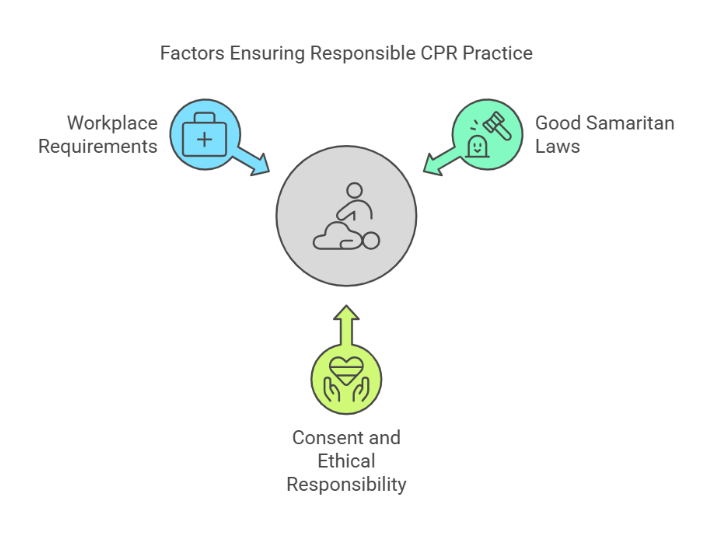
Legal and Ethical Considerations

CPR Training and Certification

Proper training ensures rescuers can use a CPR breathing barrier effectively while performing high-quality CPR.

  • Importance of Training: CPR classes teach how to use face shields and pocket masks, ensuring correct placement and technique.
  • Barrier Device Usage: Training covers keys, such as creating a proper seal on a pocket mask and using the E-C hand technique for effective ventilation.
  • Certification Benefits: Getting certified increases confidence and readiness, ensuring rescuers can act quickly in emergencies.

Enrolling in a CPR certification course equips you with the skills needed to perform CPR safely and correctly, improving survival rates by protecting both the rescuer and the victim.

FAQ:

What Is a CPR Breathing Barrier?

A CPR breathing barrier is a protective device used during rescue breaths to prevent direct contact between the rescuer and the victim. It can minimise disease transmission risk while alloadequatective ventilation.

How to Make a CPR Breathing Barrier?

Homemade CPR barriers are not recommended, as they may not provide adequate protection or airflow. Instead, use a commercially designed face shield or pocket mask for proper safety and effectiveness.

Where to Buy a CPR Breathing Barrier?

CPR breathing barriers are available online, at pharmacies, medical supply stores, and first aid retailers. Popular options include Amazon, Red Cross stores, and local safety supply shops.

How Often Should CPR Breathing Barriers Be Replaced?

Disposable face shields should be discarded after one use, while reusable pocket masks should be cleaned and disinfected after each use. Regularly check damaged damage or expired filters and replace them as needed.

Do CPR Breathing Barriers Work for Children?

Yes, but pediatric-sized pocket masks provide a better seal for infants and small children. Standard face shields can still be used, but proper positioning is essential for effectiveness.

Can I Use a CPR Face Shield Without Formal CPR Training?

Yes, CPR face shields are designed for easy use, but formal CPR training ensures proper technique, increasing the chance of adequate resuscitation. Training also builds confidence.

Where Can I Buy a CPR Breathing Barrier?

You can buy a CPR breathing barrier at first aid supply stores, pharmacies, and online retailers like Amazon, Red Cross, and medical supply websites. Many models are affordable and portable.

Are CPR Breathing Barriers Required in First Aid Kits?

While not always legally required, many first aid guidelines recommend including a CPR breathing barrier for safety. Some workplace and professional kits mandate their inclusion for compliance.

Can a CPR Breathing Barrier Be Used in Water Rescue Situations?

Yes, but water rescue CPR requires additional precautions, such as ensuring the victim is on a firm surface. Pocket masks with a proper seal are more effective than face shields in wet conditions.

Wrapping up

A CPR breathing barrier is vital to improve safety, hygiene, and effectiveness during emergency resuscitation. Whether you are a first responder, parent, teacher, or caregiver, having one on hand ensures you can provide life-saving assistance while protecting yourself and others. Choosing the proper barrier, maintaining it properly, and understanding its use can make a significant difference in emergencies.

At Simple CPR, everyone should be prepared for emergencies. Get CPR certified today to learn essential skills, including the proper use of breathing barriers. Visit our website to enroll in an affordable, online CPR course now!
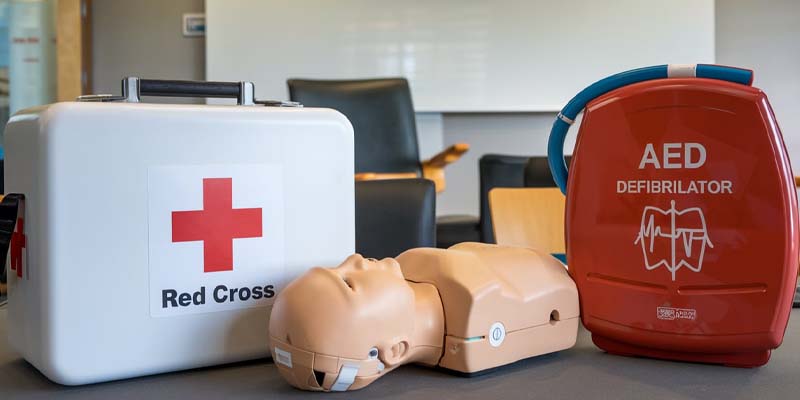
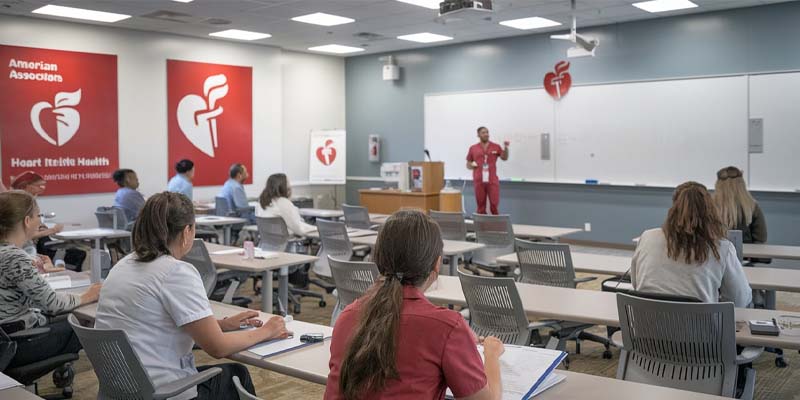
Which Is Better, the American Red Cross Or American Heart Association?

Which Is Better, the American Red Cross Or American Heart Association?


When choosing between two leading CPR and first aid training organizations, many ask, “Which is better—the American Red Cross or the American Heart Association?” Both organizations are highly respected and offer life-saving courses that can equip individuals with essential skills. However, understanding the differences between their training programs, certifications, and approaches can help you decide which option is best for your needs.

This guide deciphers the critical distinctions between the American Red Cross and the American Heart Association, focusing on their course offerings, certification requirements, and overall emphasis. Be it a healthcare professional seeking advanced training or a community member wanting basic CPR knowledge, knowing what each organization provides can help you make an informed decision. Read on to find out which organization aligns best with your goals and preferences.

What Types Of Courses Are Offered By the American Red Cross?

The American Red Cross provides various courses for individuals, professionals, and organizations. Their offerings include first aid, CPR, AED training, lifeguarding, babysitting, and disaster preparedness. These courses cater to various skill levels, from basic training for community members to advanced certifications for healthcare providers.

The American Red Cross have first aid, CPR, and AED training for individuals seeking life-saving skills. These classes are available online and in person and cover essential techniques for assisting in emergencies such as cardiac arrest, choking, or severe injuries.

Specialized courses in lifeguarding and water safety, which include rescue techniques and water emergency prevention, are ideal for those looking to work in aquatic environments.

For younger participants, the babysitting and child care training focuses on caregiving responsibilities, safety, and emergency response.

Additionally, the Red Cross provides disaster preparedness courses to help individuals and organizations develop plans for natural disasters, fires, and other emergencies. These programs ensure you’re ready for any situation.

What Types Of Courses Get Offered By the American Heart Association?

The American Heart Association provides evidence-based training programs aimed primarily at healthcare professionals and community responders. The AHA’s courses often emphasize advanced medical techniques alongside essential life support when comparing the American Heart Association vs Red Cross.

The American Heart Association has BLS and Advanced Cardiovascular Life Support courses for healthcare providers. These programs cover critical skills such as high-quality CPR, team-based resuscitation, and advanced airway management.

Their Pediatric Advanced Life Support (PALS) training is tailored for medical professionals who work with infants and children. It focuses on managing respiratory and cardiac emergencies in younger patients.

The AHA provides Heartsaver CPR, AED, and First Aid training for community members, designed to teach life-saving techniques in emergencies like choking or cardiac arrest.

Unique to the AHA is its emphasis on science-based guidelines, ensuring participants learn the latest protocols for effective intervention. These courses often incorporate realistic simulations to enhance skill application.

How Are AHA And American Red Cross Courses Different?

When comparing the American Heart Association and Red Cross courses, differences emerge in their target audiences, course content, and teaching approaches. These distinctions are especially notable in certification focus, skill application, and protocols for techniques such as American Heart Association rescue breaths versus American Red Cross methods. Deciding between programs like Heartsaver vs BLS can also depend on your role and training needs.

Audience and Certification Focus

The American Heart Association (AHA) primarily targets healthcare professionals and emergency responders. Courses such as BLS (Basic Life Support) and ACLS (Advanced Cardiovascular Life Support) are tailored for medical staff who need in-depth, clinically focused training. In contrast, the American Red Cross offers a broader range of courses, catering to healthcare professionals and community members, with options like CPR, AED, and babysitting training.

Teaching Methods and Protocols

There are slight variations in technique between American Heart Association rescue breaths and American Red Cross methods. For example, the AHA emphasizes high-quality CPR with a strict ratio of compressions to breaths based on evidence-driven guidelines. Meanwhile, the Red Cross often integrates rescue breaths and compressions into practical, user-friendly scenarios for lay responders.

Heartsaver vs. BLS

Whether you decide between Heartsaver (AHA) and BLS depends on your role. Heartsaver courses are community-focused and teach basic emergency skills like CPR and AED, ideal for teachers, coaches, or workplace responders. BLS, however, is aimed at healthcare providers and includes advanced techniques like team-based resuscitation and bag-mask ventilation.

Who Should Opt For AHA Courses?

The American Heart Association (AHA) courses are ideal for healthcare professionals, emergency responders, and individuals requiring advanced medical training. If you work in a clinical setting, such as a hospital, clinic, or emergency medical service (EMS), programs like Basic Life Support (BLS), Advanced Cardiovascular Life Support (ACLS), or Pediatric Advanced Life Support (PALS) are specifically tailored to meet your needs. These courses emphasize evidence-based protocols, advanced resuscitation techniques, and team dynamics, ensuring participants are well-prepared for high-stakes medical situations.

Additionally, AHA courses benefit workplace responders and educators seeking community-level training, such as the Heartsaver CPR and First Aid program. AHA’s focus on science-driven methods makes their certifications a preferred choice for many employers in the healthcare sector. The AHA is an excellent option if you need certifications aligned with the latest medical research.

Who Will Benefit From American Red Cross Courses?

The American Red Cross courses cater to a broad audience, including community members, workplace responders, and aspiring professionals. To handle emergencies confidently, these programs are ideal for individuals seeking basic life-saving skills, such as CPR, first aid, and AED training. Parents, caregivers, and babysitters can also benefit from specialized courses tailored to child safety and caregiving.

For those interested in aquatics or safety professions, the lifeguarding and water safety courses offer comprehensive training in rescue techniques and water emergency prevention. Additionally, organizations can enroll their teams in Red Cross disaster preparedness programs to equip them for natural disasters or workplace emergencies.

If you’re looking for user-friendly, practical, hands-on courses designed for everyday emergencies, the Red Cross is an excellent choice. Their accessible certifications are widely recognized and ensure readiness in various scenarios.

Wrapping Up

Choosing between the American Heart Association (AHA) and the American Red Cross depends on your training needs, profession, and goals. Both organizations offer exceptional courses, with the AHA focusing on healthcare providers and advanced medical protocols, while the Red Cross provides versatile training for professionals and community members alike. By understanding their differences, such as Heartsaver vs BLS and rescue breath techniques, you can select the best fit for your situation.

Ready to enhance your life-saving skills? Check out Simple CPR’s convenient, online-certified courses today, and be prepared to make a difference when it matters most!

FAQ

What is the difference between the American Heart Association and the Red Cross?
The American Heart Association (AHA) emphasizes healthcare-focused training with evidence-based protocols. At the same time, the Red Cross provides a broader range of courses, including basic life-saving skills, disaster preparedness, and caregiving. AHA caters more to medical professionals, whereas the Red Cross appeals to healthcare and community responders.

What is the most recognized CPR certification?
The AHA and American Red Cross (ARC) certifications are widely recognized. However, AHA certifications, particularly BLS and ACLS, are prioritized in healthcare settings due to their clinical focus and alignment with medical industry standards.

Which is better, AHA or ARC?
The choice depends on your needs. The AHA is better for advanced, healthcare-oriented training, while the ARC excels in inaccessible, community-focused programs. Both organizations provide high-quality certifications recognized across various professions.

Is the American Heart Association an excellent charity to donate to?
The American Heart Association is a reputable charity focusing on heart disease research, prevention, and education. Its transparency, impactful programs, and dedication to improving cardiovascular health make it a trusted donation choice.

How does BLS differ between the Red Cross and AHA?
The AHA’s BLS (Basic Life Support) emphasizes advanced techniques for healthcare providers, including team-based resuscitation. The Red Cross BLS also targets healthcare workers but often incorporates practical, user-friendly methods suitable for broader audiences.

Why is AHA better than ARC?
The AHA is often considered better for healthcare professionals due to its evidence-based guidelines, advanced resuscitation techniques, and focus on clinical skills. Its certifications are preferred in medical environments requiring high standards.

Does CPR Break Ribs? The Truth Behind Life-Saving Techniques and Their Impact

Does CPR Break Ribs? The Truth Behind Life-Saving Techniques and Their Impact

When performing cardiopulmonary resuscitation (CPR), a common concern is, does CPR break ribs? This question often arises because of the force required to deliver effective chest compressions. CPR is a critical life-saving technique used during cardiac arrest to keep blood and oxygen flowing to vital organs, but it can also cause physical injuries.

While broken ribs are a potential outcome, they are not guaranteed, and their occurrence depends on factors such as the victim’s age, bone density, and the depth of compressions. Despite this risk, life-saving takes precedence, as the alternative is often fatal.

Understanding the relationship between CPR and possible rib fractures helps alleviate fear and promotes confidence in performing this crucial procedure. This article explores the likelihood of rib injuries during CPR, the importance of proper technique, and why immediate action is always better than hesitation during an emergency.

Common Side Effects of CPR

CPR can cause side effects like rib fractures, bruising, chest soreness, and fatigue in rescuers. Vomiting, abdominal distension, and aspiration pneumonia are also possible in some cases due to the pressure exerted on the chest and respiratory system.

Does CPR Break Ribs?

A common question among those learning life-saving techniques is, can CPR break ribs? Rib fractures are a known risk during CPR, especially in older adults or those with fragile bones. They occur due to the force required for effective compressions and should not deter efforts to save a life.

This risk is higher in older individuals or those with brittle bones. However, the primary goal of CPR is to save a life by restoring blood flow during cardiac arrest. Broken ribs, while possible, are a minor concern compared to the alternative of not acting. Performing CPR correctly, with the recommended depth and rhythm, minimizes unnecessary injury while maximizing the chances of survival.

What Should You Do Before Performing CPR?

Before performing CPR, it’s crucial to follow critical steps that ensure success. This preparation helps you act quickly and effectively in an emergency. Addressing common concerns, such as whether CPR breaks ribs or how often ribs break during CPR, is part of understanding these steps. Here’s what you need to do:

  • Assess the situation- Make sure the environment is safe for you and the victim. Avoid potential dangers like traffic, fire, or unsafe surfaces.
  • Check responsiveness- Tap the person gently and shout, “Are you okay?” If there’s no response, proceed to the next step.
  • Call for help- Dial 911 or your local emergency number. If others are present, ask someone to call while you begin CPR.
  • Check for breathing and pulse- Look for normal breathing and feel for a pulse. If neither is present, start CPR immediately.
  • Position the victim- Lay the person flat on their back on a firm surface. Ensure their airway is clear by tilting the head and lifting the chin.

A common concern is, do you break ribs during CPR? Rib fractures can occur, especially in older adults, but they are a necessary risk in saving a life. How often do ribs break during CPR? Studies suggest ribs may break in around 30% of cases, but proper technique can reduce excessive injury while maintaining life-saving effectiveness.

Can You Get Sued For Broken Ribs During CPR?

A common concern for bystanders is whether CPR can break ribs and whether it could face a lawsuit if it does. While CPR can occasionally cause rib fractures, Good Samaritan laws in most states protect individuals performing CPR in good faith in case of emergency. These laws are designed to encourage life-saving action without fear of legal repercussions. As long as CPR is performed correctly and with the intent to help, liability is unlikely. Saving a life is the priority, and broken ribs are a manageable injury compared to the consequences of inaction during cardiac arrest.

How Common Are Broken Ribs During CPR?

Rib fractures are relatively common, especially in older adults or those with brittle bones. Studies suggest that broken ribs occur in about 30-40% of CPR cases, depending on the victim’s age and physical condition. Effective chest compressions require significant force to maintain blood flow, which increases the likelihood of rib injuries. However, broken ribs are a minor concern compared to the importance of saving a life. Proper technique helps minimize unnecessary harm while ensuring the victim has the best chance of survival.

What Should You Do In Case Of Broken Ribs?

If you suspect broken ribs during CPR, you should stay calm and focus on the primary goal of saving the victim’s life. Here’s what you should do:

  • Continue CPR if necessary- Even if you feel or hear a rib break, keep performing chest compressions. Stopping CPR can lead to worse outcomes, as maintaining blood flow is critical.
  • Adjust hand placement if needed- Ensure your hands are correctly positioned at the center of the chest, and avoid excessive force to minimize further injury.
  • Monitor the victim’s condition- Watch for signs of breathing or consciousness. If they start breathing, place them in recovery and monitor until help arrives.
  • Inform emergency responders—Inform the medical team about the suspected rib injury. They can provide advanced care to address the issue.

Wrapping Up

CPR is a life-saving skill that can make the difference between life and death during emergencies. While rib fractures are a potential outcome, they should not deter you from taking action. The possibility of broken ribs is a small risk compared to the critical importance of restoring blood flow and oxygen to vital organs. By learning proper CPR techniques and acting with confidence, you can save lives and provide hope in critical moments.

Take the next step in becoming a life-saving hero—enroll in a CPR certification course with Simple CPR today!

FAQs

How to perform the CPR?
CPR involves chest compressions that restore blood flow and oxygen during cardiac arrest. Place your hands on the center of the chest, compress at least 2 inches deep at 100-120 beats per minute, and give two rescue breaths after every 30 compressions if trained.

What should you do if you hear a bone crack while performing CPR?
Stay calm and continue CPR. Proper compressions are critical to survival, even if a rib breaks. Adjust hand placement if necessary, but do not stop compressions until emergency responders arrive or the victim shows signs of recovery.

Does CPR cause vomiting?
Yes, vomiting can occur during CPR due to the pressure on the abdomen or accidental stimulation of the gag reflex. Be prepared to clear the airway and continue providing care to prevent choking.

Does CPR lead to brain damage?
CPR does not directly cause brain damage. However, delayed CPR or prolonged lack of oxygen before CPR begins can increase the risk of brain injury due to hypoxia.

Can CPR cause abdominal distension?
Abdominal distension may occur if air is accidentally forced into the stomach during rescue breaths. This can be minimized by ensuring the airway is open and delivering breaths gently and steadily.

Can CPR cause aspiration pneumonia?
Aspiration pneumonia can occur if vomit enters the lungs during CPR. To prevent this, clear the airway promptly if the victim vomits and place them on their side once they regain breathing.

How often do ribs break during CPR?
Studies suggest rib fractures occur in approximately 30-40% of CPR cases, depending on the victim’s age, bone health, and the force of chest compressions.

How long does it take the rib to heal after CPR?
Broken ribs from CPR typically take 6-8 weeks to heal, depending on the individual’s age, overall health, and the severity of the fracture.

Do I get sued due to breaking ribs during CPR?
Good Samaritan laws generally protect individuals performing CPR in good faith during emergencies. If CPR is provided correctly and with the intent to save a life, legal repercussions are rare.

What’s the most common rib fracture during CPR?
The most common rib fractures during CPR occur in the mid-ribs, near the sternum, due to the focused pressure applied during chest compressions.

What’s the difference between CPR and BLS?
CPR (Cardiopulmonary Resuscitation) focuses on basic life-saving techniques, while BLS (Basic Life Support) is more comprehensive training that includes CPR, AED use, and additional medical scenarios.

What should you do before performing CPR?
Check responsiveness and safety on the scene, call 911, assess breathing and pulse, and position the victim flat on their back before starting compressions.

How long does it take for ribs to heal after CPR?
Ribs broken during CPR generally heal in 6-8 weeks. Recovery may vary based on the individual’s health and the severity of the injury.

What damage can be caused by CPR?
CPR can cause rib fractures, bruising, internal injuries, and, in rare cases, damage to organs like the liver or lungs. Its life-saving benefits outweigh these risks.

Can CPR cause fractures?
Yes, CPR can cause fractures, most commonly in the ribs or sternum, due to the forceful compressions needed to restore blood flow during cardiac arrest effectively.

How was the first time you heard ribs breaking during CPR?
Hearing ribs break during CPR can be unsettling for many first-timers. However, it’s a sign that compressions are being performed with enough force to save a life potentially.

Is CPR painful?
Victims are usually unconscious during CPR and do not feel pain. If they survive, they may experience soreness or pain from injuries such as rib fractures afterward.

What is the success rate of CPR?
The success rate of CPR varies but is generally around 10-20% for out-of-hospital cardiac arrests. Early intervention and effective compressions improve the chances of survival.