




Alkaline and Ionized Water: Healthy or Hype?
Style Snapshot
- Alkaline water has both health benefits and potential negative impacts. While it may help slow aging, improve metabolism, and act as a remedy for some conditions, excessive consumption can lead to stomach issues, nausea, and disturbances in the body’s natural pH balance. The benefits are still debated, and moderation is key.
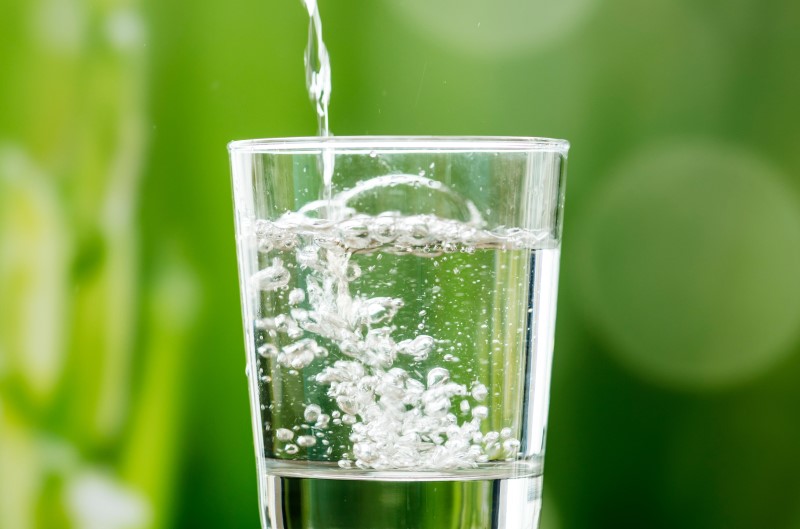
What is alkaline water?
There are many rumors about alkaline water. Some people say it’s healthy for the body while others disagree with it but what is alkaline water?
The word “alkaline” is a chemical term which defines the level of pH. Alkalinity ranges from 8-14 pH value. That means alkaline water pH value ranges from 8-14? Well, actually alkalinity water pH ranges from 8-9 but we will consider any matter alkaline if it’s pH is greater than 7.
Where does it come from?
There are two ways of making alkaline water. One is a natural way and other is a chemical way.
In natural, water (from rivers) usually interact with other minerals. Most minerals are alkaline in nature therefore when they dissolve then they make water alkaline. Sometimes when water hits big rocks (which are alkaline in nature), water absorbs the alkalinity from rock hence creating alkaline water.
Nowadays, we can create alkaline water by adding some chemicals. Don’t worry, these chemicals won’t harm your body. Not only that, you can create your own alkaline water as well! Just use ingredients which are alkaline in nature (such as baking soda etc.) and mix it with water—a small step that fits well alongside other dietary changes, like the health benefits of dieting without salt.
Is alkalinity good or bad?
Everything in this world possesses good effects as well as bad effects too. If we talk about whether alkalinity is good or bad then there is a big debate. What is the conclusion then? To be honest, it is still not properly decided—much like the debates nurses have on shift about the best gear for a long day, including their top scrub brand favorites.
Alkaline water has many positive impacts on the body and one of the best effects is the slow aging of people. That’s not all, do you know that alkaline water is one of the remedies for curing cancer? It also boosts your metabolism as well.
Although alkaline water is considered as healthy and safe there are negative impacts on the body as well. It disturbs the pH level of your stomach which can result in the killing of undesired pathogens which helps human bodies. It also causes vomiting, nausea, skin irritations, gastrointestinal issues, muscle twitching, and hand tremors as well—which is a good reminder that everyday preparedness, like completing our Adult CPR + AED course, matters just as much as what you drink.
Conclusion
Although alkaline water doesn’t change too much the pH of the blood because blood acts as a buffer, there is not much to worry about drinking alkaline water. Alkaline water is safe and healthy but excess of alkaline water can result in unwanted side effects, so as with any wellness habit, it pays to balance it with proactive health steps like earning a SimpleCPR online certification.



QUICK Q&A
What is the difference between CPR and BLS?
CPR is a life-saving technique involving chest compressions and rescue breaths, suitable for laypersons. BLS includes CPR along with advanced skills like airway management and AED use, intended for healthcare professionals.
Who should take CPR training?
CPR training is recommended for the general public, including teachers, coaches, and caregivers, to prepare for emergency situations.
Who should take BLS training?
BLS training is essential for healthcare providers, such as doctors, nurses, and emergency responders, to manage life-threatening emergencies effectively.
How often should CPR and BLS certifications be renewed?
Both CPR and BLS certifications should be renewed every two years to ensure skills and knowledge remain current.
Related Posts

Sweet Poison: Why Sugar is Ruining Your Health
Sugar is one of the most common ingredients in food. Everyone loves dessert but what we don’t realize is that we are killing ourselves. Cold drinks, candies, tea, and even baked foods as well contain a lot of sugar. Not only that even savory foods such as tomato sauce, bread, and protein bars, can have […]

Alcohol Poisoning During the Holidays
Drinking alcohol to excess is the cause of about 88,000 deaths per year in the United States alone. Abusing alcohol can lead to violence, car accidents, and alcohol poisoning; all of which are potentially fatal consequences that will surely put a damper on what should be considered one of the happiest times of the year […]

Why Cardiologists Used to Prescribe Mindfulness For Healthy Heart?
Heart disease is one of the leading causes of death in the United States, and part of this is down to blood cholesterol and blood sugar levels. A large part of the US population is currently suffering from these conditions and natural deaths (excluding accidents, homicides, etc.) mostly come from heart disease. There are plenty […]

The Expanding Role of Technology in Healthcare
Numerous technological advancements have connected the daily lifestyle of people with substantial health care benefits. Some of them are mentioned below: Innovative Mobile Applications: • The confluence of Smartphones and healthcare technologies is just remarkable. The development of different healthcare applications in Android devices is providing considerable benefits to people having lifestyle diseases due to […]

The Important of Personal Health for Medical Professionals
Medical professionals spend large amounts of their day trying to convince other people to spend their lives in the best possible way while taking healthy and helpful decisions. These decisions concern everything from their diet to their exercise regimen, and everything in between. When it comes to medical professionals the stress of their job can […]

Heart Attack Recovery: Foods to Eat and Avoid
After surviving from a heart attack, the first though that comes in mind is to change the lifestyle. Healthy eating, exercise and stress-free routine are the basic needs of a post heart attack person. But usually people don’t know how to customize their meal plan. Here we are mentioning some of the foods to eat […]