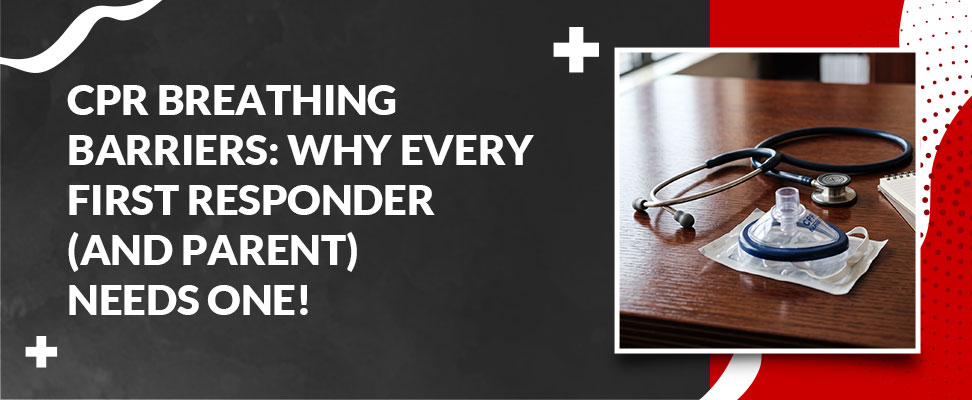
A CPR breathing barrier is a simple yet essential tool that protects the rescuer and the victim during mouth-to-mouth resuscitation. These barriers prevent direct contact, reducing the risk of disease transmission while ensuring effective rescue breaths. Whether you are a first responder, a healthcare professional, or a parent, having one readily available can make a critical difference in an emergency — skills reinforced in courses like our Standard First Aid certification.
Style Snapshot
- CPR breathing barriers are essential for rescuers to provide life-saving rescue breaths while minimizing the risk of infection. By preventing direct contact between the rescuer and the victim, these barriers ensure safe and effective CPR. This guide explores the importance of CPR breathing barriers, the different types, their uses, and how they can enhance safety during emergencies.
CPR is a life-saving skill, but safety should always be a priority. Using a breathing barrier adds an extra layer of protection without compromising the effectiveness of rescue efforts. These barriers come in different forms, such as face shields and pocket masks, making them easy to carry and use.
Understanding how to correctly use a CPR breathing barrier can give you the confidence to act quickly in an emergency. This article explains their importance, types, and how they can help save lives while keeping rescuers safe.
What Are CPR Breathing Barriers?
CPR breathing barriers are protective devices used during rescue breaths to prevent direct contact between the rescuer and the victim. They help reduce the risk of transmitting infections while allowing adequate ventilation.
These barriers come in two main types: face shields and pocket masks. Face shields are lightweight and disposable and have a one-way valve to block fluids. Pocket masks are more durable and provide a better seal for improved airflow. Many include an oxygen inlet for improved ventilation.
Compact and easy to carry, CPR breathing barriers are essential for first responders, healthcare providers, and anyone trained in CPR.
How CPR Breathing Barriers Work
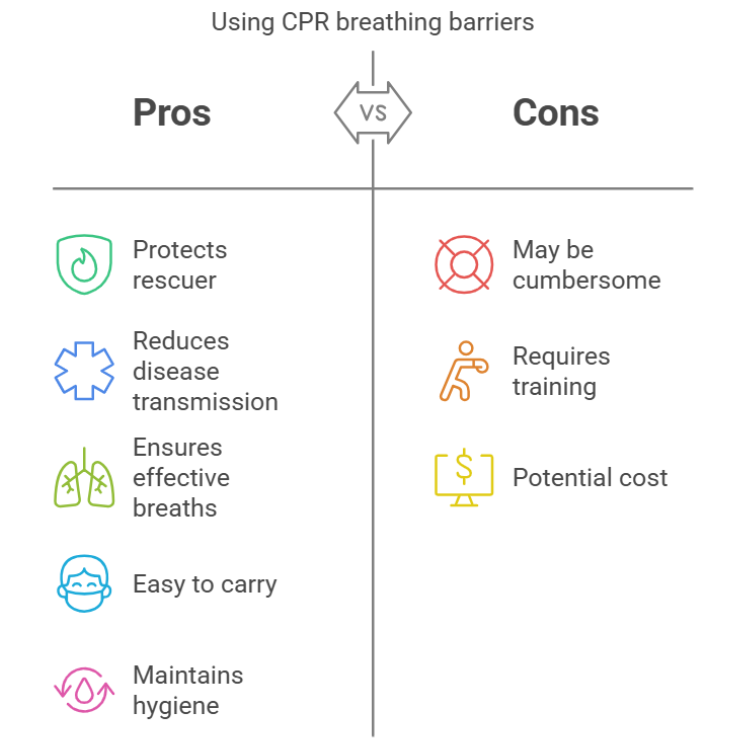
CPR breathing barriers create a protective layer between the rescuer and the victim while allowing effective rescue breaths. They help prevent the exchange of saliva, blood, and other fluids, reducing the risk of infection.
Step-by-Step Guide on Usage
Using a Face Shield:
- Unfold the face and place it over the victim’s mouth. Ensure the one-way valve or filter is positioned over the victim’s mouth.
- Pinch the victim’s nose shut to prevent air leakage.
- Give two rescue breaths through the barrier, watching for chest rise.
- Continue CPR as needed, following standard guidelines.
Using a Pocket Mask:
- Keep the mask over the victim’s mouth and nose, ensuring a secure seal.
- If available, connect supplemental oxygen to the mask’s inlet.
- Hold the mask firmly using the E-C hand technique (place your thumb and index finger in a “C” shape around the mask while the other fingers lift the chin).
- Deliver two slow breaths, watching for chest rise.
- Continue CPR as necessary, ensuring proper ventilation.
Carrying a CPR breathing barrier ensures safety and preparedness in an emergency.s
Types Of CPR Breathing Barriers
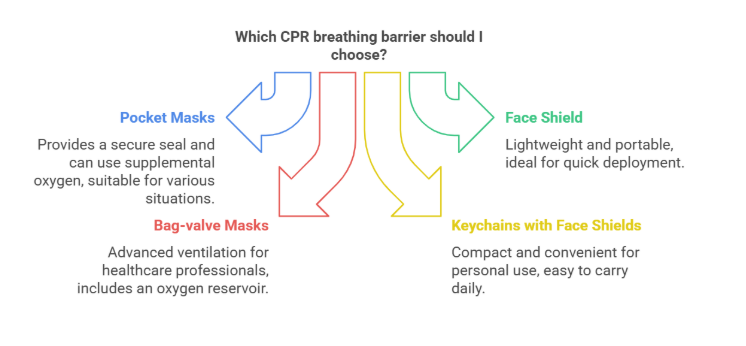
CPR breathing barriers come in different forms, and each design offers protection while delivering effective rescue breaths. The most common types include:
Pocket Masks:
Rigid, reusable masks that create a secure seal over the victim’s mouth and nose. Equipped with a one-way valve to prevent contamination. Some models have an oxygen inlet for supplemental oxygen.
Face Shield
These lightweight, disposable barriers have a built-in one-way and are designed for easy portability and quick deployment. They provide a basic level of protection while allowing proper airflow.
Bag-valve masks (BVMs)
These are used primarily by healthcare professionals and first responders. They include a self-expanding bag, mask, and oxygen reservoir for advanced ventilation.
Keychains with Face Shields:
These are compact and convenient for carrying daily and ideal for lay rescuers and personal use.
Benefits Of Using CPR Breathing Barriers
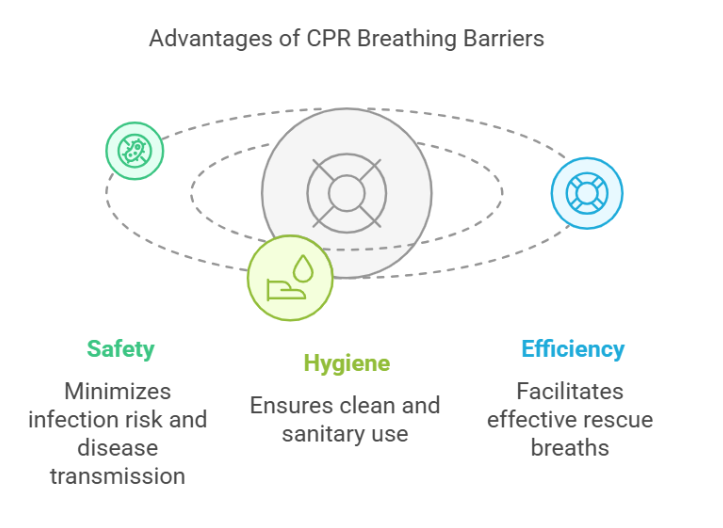
CPR breathing barriers provide essential protection while ensuring effective and safe rescue breaths. They offer numerous advantages.
Safety
Using a CPR breathing barrier minimizes the risk of infection for both the rescuer and the victim. These barriers prevent direct contact with saliva, blood, and other bodily fluids, reducing the transmission of diseases such as colds, flu, or more serious infections. The added protection encourages more bystanders to perform CPR without hesitation, increasing the chances of survival for a victim in need.
Hygiene
CPR breathing barriers are designed with one-way valves and filters, preventing contaminants from passing between individuals. Disposable face shields are single-use, ensuring a clean and sanitary approach to CPR. Pocket masks, adequately sanitized, can be reused, offering a long-term hygienic solution for first responders and trained rescuers.
Efficiency
These barriers facilitate proper airflow, ensuring that rescue breaths are delivered effectively. Pocket masks provide a secure seal, allowing for improved oxygen delivery and ventilation. Their compact design makes them easy to carry, whether in a first aid kit, keychain pouch, or emergency response bag.
Who Should Carry a CPR Breathing Barrier?
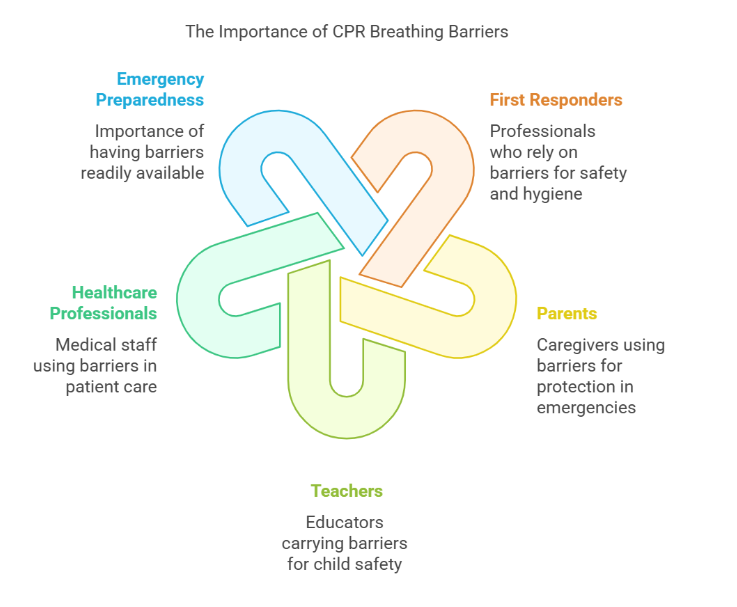
A CPR breathing barrier is an essential tool for anyone trained in CPR. It provides protection while delivering life-saving breaths. Whether you are a first responder, parent, teacher, or caregiver, having one readily available ensures you can act quickly in an emergency.
First responders and healthcare professionals rely on breathing barriers to maintain hygiene and safety while assisting patients. Parents and caregivers can use them as protection for anyone during unexpected emergencies at home or in public, including situations like knowing first aid for seizures. Teachers, coaches, and childcare providers also benefit from carrying a CPR breathing barrier, as they are often responsible for children who may require immediate assistance.
Since emergencies can happen anywhere, keeping a breathing barrier in a first aid kit, purse, backpack, or keychain pouch ensures you are always prepared. By carrying this small but essential device, you can confidently perform CPR while reducing health risks for yourself and the victim.
CPR Breathing Barriers for First Responders
First responders, including paramedics, firefighters, and police officers, frequently perform CPR in high-risk situations. A CPR breathing barrier is critical to ensure rescuer and patient safety while maintaining adequate ventilation.
Since first responders encounter victims with unknown medical histories, breathing barriers protect against the transmission of infectious diseases. Poasks and bag-valve masks (BVMs) are commonly used in professional settings, providing a secure seal for better oxygen delivery. Many models include oxygen inlets, allowing for advanced ventilation when needed.
Since first responders encounter victims with unknown medical histories, breathing barriers protect against the transmission of infectious diseases. Poasks and bag-valve masks (BVMs) are commonly used in professional settings, providing a secure seal for better oxygen delivery. Many models include oxygen inlets, allowing for advanced ventilation when needed.
CPR Breathing Barriers for Parents and Caregivers
Close family members like parents respond first when a child or family member experiences a medical emergency. A CPR breathing barrier provides an added layer of protection, ensuring safe and effective rescue breaths while reducing the risk of infection.
Children and infants may require CPR due to choking, drowning, or sudden cardiac emergencies. A face shield or pocket mask helps deliver proper ventilation while minimizing direct contact. Some pocket masks are specifically designed for pediatric use, providing a better seal for more minors facing a CPR breathing barrier readily available in a diaper bag, first aid kit, or glove compartment, ensuring parents and caregivers can act quickly when needed. Many models have a compact design, making them easy to carry.
How to Choose the Best CPR Breathing Barrier
Selecting the proper CPR breathing barrier ensures safety, efficiency, and ease of use in an emergency. Key factors to consider include:
- Portability: Choose a compact design that fits in a first aid kit, pocket, or keychain pouch for easy access. Face shields are lightweight and disposable, while pocket masks offer better protection but require more space.
- Ease of Use: A good quality breathing barrier should be simple to deploy, even under stress. Look for features like one-way valves and clear instructions to ensure proper placement.
- Material Quality: Durable materials ensure reliability. Face shields should have strong filters, and pocket masks should be high-quality silicone or plastic for a secure seal.
Consider your specific needs—first responders may prefer pocket masks with oxygen inlets, while parents and bystanders may opt for compact face shields. Choosing the best barrier ensures safe and effective CPR whenever needed, the same way knowing RICE treatment basics prepares you for everyday injuries.
How to Maintain and Store CPR Breathing Barriers
Proper maintenance and storage of a CPR breathing barrier ensure its effectiveness during an emergency. Follow these guidelines:
- Cleaning: If using a reusable pocket mask, clean it with warm water and mild soap, then disinfect it with alcohol or medical-grade disinfectants. Face shields are disposable and should be discarded after use.
- Storage: Keep breathing barriers in a clean, dry location, such as a first aid kit, glove compartment, or emergency bag. Do not keep it in extreme temperatures or moisture, which can degrade materials.
- Replacement: Regularly check your barrier for tears, cracks, or expired filters. Disposable shields should be replaced after use, while pocket masks should be inspected and sanitized periodically.
Common Myths About CPR Breathing Barriers
Despite their importance, CPR breathing barriers are often misunderstood. Here are some common myths and the facts that debunk them:
Breathing barriers make CPR less effective.
Fact: Properly designed barriers, such as face shields with one-way valves or pocket masks, provide adequate airflow while protecting the rescuer and the victim.
Only professionals need CPR breathing barriers.
Fact: Anyone trained in CPR, including parents, teachers, and bystanders, should carry a barrier for safety.
CPR breathing barriers are too tricky to use.
Fact: Most are designed for quick and simple deployment, making them easy for anyone to use in an emergency.
Understanding the truth about CPR breathing barriers encourages more people to use them, ensuring safer and more effective life-saving efforts.
Legal and Ethical Considerations
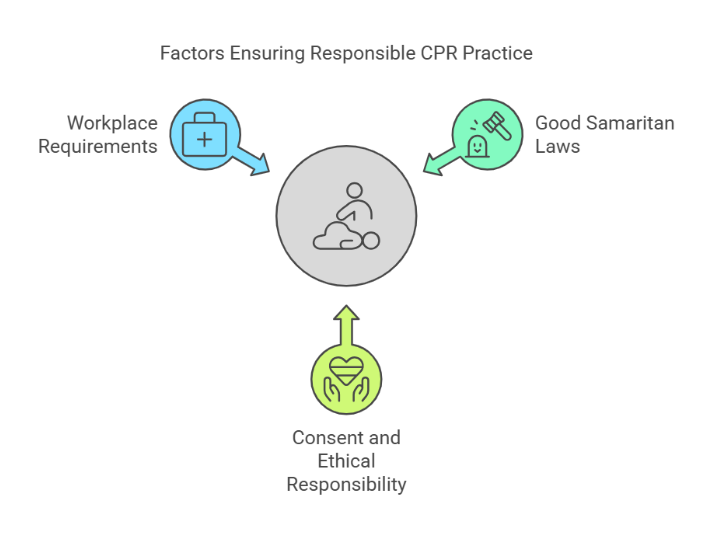
Using a CPR breathing barrier raises legal and ethical questions, but Good Samaritan protects rescuers by acting in good faith.
Legal Protection for Rescuers:
Good Samaritan laws protect individuals who provide CPR in many countries. These laws shield rescuers from liability as they act within their training and do not engage in reckless behavior. Using a CPR breathing barrier further demonstrates responsible action by minimizing health risks.
Consent and Ethical Responsibility
If a victim is unconscious and unable to provide consent, the law generally assumes implied consent, meaning a rescuer can assist without legal repercussions. Ethically, individuals trained in musty to help when possible and a breathing barrier can reduce hesitation by addressing concerns about disease transmission.
Workplace and Professional Requirements
For healthcare professionals and first responders, workplace policies and safety regulations often require the use of CPR breathing barriers. Understanding the legal protections and responsibilities ensures rescuers can act confidently in any emergency.
CPR Training and Certification
Proper training ensures rescuers can use a CPR breathing barrier effectively while performing high-quality CPR.
- Importance of Training: CPR classes teach how to use face shields and pocket masks, ensuring correct placement and technique.
- Barrier Device Usage: Training covers keys, such as creating a proper seal on a pocket mask and using the E-C hand technique for effective ventilation.
- Certification Benefits: Getting certified increases confidence and readiness, ensuring rescuers can act quickly in emergencies.
Enrolling in a CPR certification course equips you with the skills needed to perform CPR safely and correctly, improving survival rates by protecting both the rescuer and the victim.
Wrapping up
A CPR breathing barrier is vital to improve safety, hygiene, and effectiveness during emergency resuscitation. Whether you are a first responder, parent, teacher, or caregiver, having one on hand ensures you can provide life-saving assistance while protecting yourself and others. Choosing the proper barrier, maintaining it properly, and understanding its use can make a significant difference in emergencies.
At Simple CPR, everyone should be prepared for emergencies. Get CPR certified today to learn essential skills, including the proper use of breathing barriers. Visit our website to enroll in an affordable, online CPR course now!