





MRI CAN SAVE YOUNG PEOPLE FROM DEATH
In 2012, a 23 years old famous footballer name Fabrice Muamba almost died because of a heart condition.
Style Snapshot
- MRI technology is now capable of detecting hypertrophic cardiomyopathy (HCM) — a hidden heart condition that causes sudden cardiac arrest in young people. This breakthrough allows doctors to identify high-risk individuals early and prevent fatal outcomes with treatments like implantable defibrillators.
Recent research shows that through MRI, doctors can check people with hypertrophic cardiomyopathy. You never know that warning signs of a heart condition can be deadly but now it can be diagnosed.
The funny part is that people actually didn’t notice this disease until their death (caused by hypertrophic cardiomyopathy).
The reason why it couldn’t be diagnosed earlier because it requires extreme close examination of heart fibers. It could only examine when a patient was dead but not anymore.
Thanks to the researchers at Oxford University, they figured it out that MRI helps in spotting “disarray” in muscle fibers in the heart. This could be a tell-tale sign of hypertrophic cardiomyopathy condition.
‘This is the first time that we’ve been able to assess disarray non-invasively in living patients with hypertrophic cardiomyopathy,’ said Dr. Rina Ariga, who is an NHS cardiologist as well as a lead author of the research.
‘We’re hopeful that this new scan will improve the way we identify high-risk patients so that they can receive an implantable cardioverter defibrillator early to prevent sudden death.’
If the scan shows tell-tale disarray in someone’s heart muscle fibers then it will be easy to save that person. Doctors can put in a defibrillator which can save someone from cardiac arrest.
There is a probability that patients might live full, long lives without having knowledge that they have this condition.
Muamba collapsed during the game of FA Cup quarter-final match against Tottenham Hotspur. The reason was that he was in the condition for 41 minutes.
The medics came on time and instantly gave him CPR. Muamba needed 15 defibrillator shocks. Two of them were given on the pitch. It was a miracle that he came back from the dead after 78 minutes.
Muamba said, “The last thing I remember was [a defender] screaming at me to get back and help out in defense.”
“I just felt myself falling then I felt two thumps as my head hit the ground in front of me then that was it. Blackness, nothing. I was dead.”
Conclusion
In every week, almost 12 people (age below 35) die because of sudden cardiac arrest in the UK. The researchers of Oxford University found a way to diagnose the disease through MRI.
MRI sends magnetic resonance and creates a rough image of heart fibers. Through those images, doctors have high chance to easily detect the disease and take measurements before something goes wrong.


QUICK Q&A
What is hypertrophic cardiomyopathy (HCM)?
HCM is a genetic heart condition that thickens heart muscles, making it harder for the heart to pump blood effectively.
How does MRI detect HCM?
MRI scans identify disorganized or “disarrayed” heart muscle fibers — a hallmark of HCM that was previously only visible during autopsies.
Who should consider getting an MRI heart scan?
Athletes or individuals with a family history of sudden cardiac arrest or unexplained fainting should consult a cardiologist about MRI screening.
What is an implantable cardioverter defibrillator (ICD)?
An ICD is a small device placed in the chest that detects irregular heart rhythms and delivers electric shocks to restore a normal heartbeat.
Can CPR save someone experiencing cardiac arrest due to HCM?
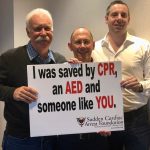
Yes. Immediate CPR can sustain blood flow until medical help arrives, as seen in Fabrice Muamba’s case.
Related Posts

Daughter Saves Mothers Life After Being Coached Through CPR by 911 Operator
Back in March of 2017, Mary Smith took an afternoon off work to visit her daughter and 2-week-old baby grandson, Brody, at their Minneapolis suburb home. Style Snapshot A daughter’s quick action and calm under pressure — guided by a 911 dispatcher — saved her mother’s life through Hands-Only CPR. This real-life story highlights how […]

Push for Mandatory CPR Instruction in Schools
Although it is rare for CPR to be administered in high schools and elementary schools, it does happen. In fact, it happens enough for the American Heart Association to make a push for a bill that would require those who worked at a school and eve those attending to be required to receive instruction on […]

A LIVING DEAD WOMAN
Melanie Baldwin was hanging a picture of her with Jeff of their Las Vegas home in the dining room then suddenly Melanie collapsed. Without wasting time, Jeff called 911 and unlocked the front door for preparation of ambulance. He also closed the bedroom doors because of their four cats. Jeff had his CPR training and […]
CPR in a World with COVID-19
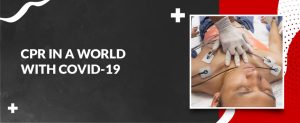
Style Snapshot Performing CPR during the COVID-19 era requires balancing life-saving action with infection risk reduction. SARS-CoV-2 spreads through the air, and CPR can generate aerosols. Following the AHA’s COVID-19 interim guidelines, rescuers should focus on safety—using personal protective equipment (PPE), minimizing exposure, and utilizing mechanical or filtered ventilation devices when possible. Standard CPR remains […]

CPR Flashmob!
You’ve seen the videos on YouTube of pre-coordinated dance flash mobs that appear in crowded malls and outdoor shopping centers. But this weekend in Las Vegas, there was a CPR flash mob organized to raise awareness of how easy it is to perform CPR! American Red Cross volunteers and local firefighters organized a CPR flash […]
The Angel of CPR
A doctor from India lost his adult son several months ago. The son experienced cardiac arrest and nobody knew enough about CPR to step in and help. A very high percentage—above 90%— of sudden cardiac arrest victims die prior to arriving at the hospital. According the American Heart Association, providing immediate CPR can improve the […]