Author Archives: Stephen Huffman

Does CPR Break Ribs? The Truth Behind Life-Saving Techniques and Their Impact

Style Snapshot

  • CPR (Cardiopulmonary Resuscitation) is a life-saving technique but it often raises concerns about whether it can break ribs. While rib fractures are a possible side effect, they are far less important than saving a life during cardiac arrest. Understanding when rib fractures occur, why they are a risk, and how to mitigate them helps build confidence in performing CPR in emergencies.

Does CPR Break Ribs? The Truth Behind Life-Saving Techniques and Their Impact

When performing cardiopulmonary resuscitation (CPR), a common concern is, does CPR break ribs? This question often arises because of the force required to deliver effective chest compressions. CPR is a critical life-saving technique used during cardiac arrest to keep blood and oxygen flowing to vital organs, but it can also cause physical injuries.

While broken ribs are a potential outcome, they are not guaranteed, and their occurrence depends on factors such as the victim’s age, bone density, and the depth of compressions. Despite this risk, life-saving takes precedence, as the alternative is often fatal.

Understanding the relationship between CPR and possible rib fractures helps alleviate fear and promotes confidence in performing this crucial procedure. This article explores the likelihood of rib injuries during CPR, the importance of proper technique, and why immediate action is always better than hesitation during an emergency.

Common Side Effects of CPR

CPR can cause side effects like rib fractures, bruising, chest soreness, and fatigue in rescuers. Vomiting, abdominal distension, and aspiration pneumonia are also possible in some cases due to the pressure exerted on the chest and respiratory system.

Does CPR Break Ribs?

A common question among those learning life-saving techniques is, can CPR break ribs? Rib fractures are a known risk during CPR, especially in older adults or those with fragile bones. They occur due to the force required for effective compressions and should not deter efforts to save a life.

This risk is higher in older individuals or those with brittle bones. However, the primary goal of CPR is to save a life by restoring blood flow during cardiac arrest. Broken ribs, while possible, are a minor concern compared to the alternative of not acting. Performing CPR correctly, with the recommended depth and rhythm, minimizes unnecessary injury while maximizing the chances of survival — which is closely tied to maintaining a high chest compression fraction throughout the resuscitation.

What Should You Do Before Performing CPR?
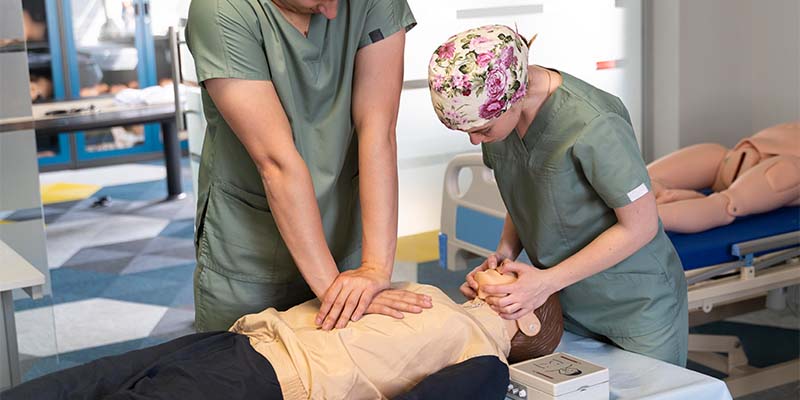
Before performing CPR, it’s crucial to follow critical steps that ensure success. This preparation helps you act quickly and effectively in an emergency. Addressing common concerns, such as whether CPR breaks ribs or how often ribs break during CPR, is part of understanding these steps you’ll learn in a hands-on Adult, Child & Infant CPR + AED course. Here’s what you need to do:

  • Assess the situation- Make sure the environment is safe for you and the victim. Avoid potential dangers like traffic, fire, or unsafe surfaces.
  • Check responsiveness- Tap the person gently and shout, “Are you okay?” If there’s no response, proceed to the next step.
  • Call for help- Dial 911 or your local emergency number. If others are present, ask someone to call while you begin CPR.
  • Check for breathing and pulse- Look for normal breathing and feel for a pulse. If neither is present, start CPR immediately.
  • Position the victim- Lay the person flat on their back on a firm surface. Ensure their airway is clear by tilting the head and lifting the chin.

A common concern is, do you break ribs during CPR? Rib fractures can occur, especially in older adults, but they are a necessary risk in saving a life. How often do ribs break during CPR? Studies suggest ribs may break in around 30% of cases, but proper technique can reduce excessive injury while maintaining life-saving effectiveness.

Can You Get Sued For Broken Ribs During CPR?

A common concern for bystanders is whether CPR can break ribs and whether it could face a lawsuit if it does. While CPR can occasionally cause rib fractures, Good Samaritan laws in most states protect individuals performing CPR in good faith in case of emergency. These laws are designed to encourage life-saving action without fear of legal repercussions. As long as CPR is performed correctly and with the intent to help, liability is unlikely. Saving a life is the priority, and broken ribs are a manageable injury compared to the consequences of inaction during cardiac arrest.

How Common Are Broken Ribs During CPR?
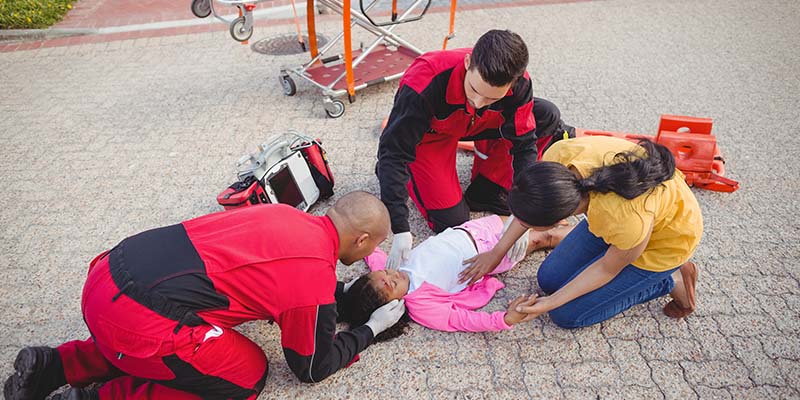
Rib fractures are relatively common, especially in older adults or those with brittle bones. Studies suggest that broken ribs occur in about 30-40% of CPR cases, depending on the victim’s age and physical condition. Effective chest compressions require significant force to maintain blood flow, which increases the likelihood of rib injuries. However, broken ribs are a minor concern compared to the importance of saving a life. Proper technique helps minimize unnecessary harm while ensuring the victim has the best chance of survival, and mechanical options such as AEDs and LUCAS devices can help maintain that consistency during prolonged resuscitation.

What Should You Do In Case Of Broken Ribs?

If you suspect broken ribs during CPR, you should stay calm, continue with an AED if one is available — remembering when you should clear the victim while using an AED to avoid accidental shocks — and focus on the primary goal of saving the victim’s life. Here’s what you should do:

  • Continue CPR if necessary- Even if you feel or hear a rib break, keep performing chest compressions. Stopping CPR can lead to worse outcomes, as maintaining blood flow is critical.
  • Adjust hand placement if needed- Ensure your hands are correctly positioned at the center of the chest, and avoid excessive force to minimize further injury.
  • Monitor the victim’s condition- Watch for signs of breathing or consciousness. If they start breathing, place them in recovery and monitor until help arrives.
  • Inform emergency responders—Inform the medical team about the suspected rib injury. They can provide advanced care to address the issue.

Wrapping Up

CPR is a life-saving skill that can make the difference between life and death during emergencies. While rib fractures are a potential outcome, they should not deter you from taking action. The possibility of broken ribs is a small risk compared to the critical importance of restoring blood flow and oxygen to vital organs. By learning proper CPR techniques and acting with confidence, you can save lives and provide hope in critical moments.

Take the next step in becoming a life-saving hero—enroll in a CPR certification course with Simple CPR today!
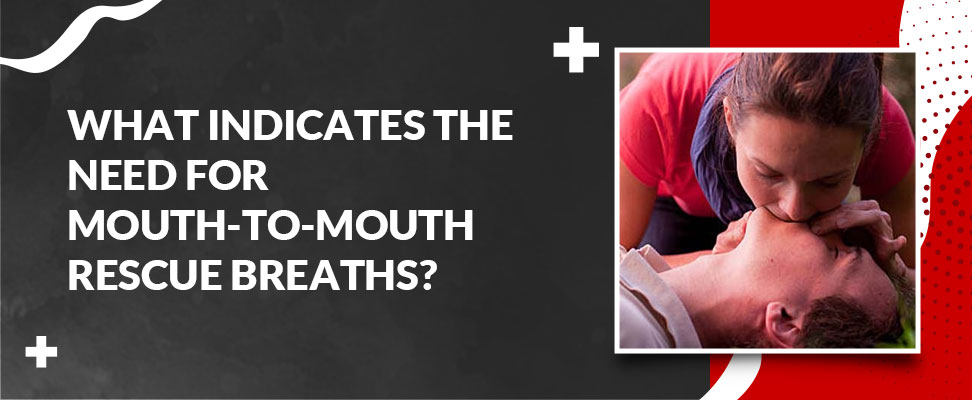
What Indicates the Need For Mouth-To-Mouth Rescue Breaths?

Style Snapshot

  • Mouth-to-mouth resuscitation is a critical technique in CPR, especially for situations like drowning, overdose, or respiratory failure. Knowing when to administer rescue breaths—such as when a person is not breathing or shows signs of respiratory distress—can significantly improve survival chances.

What Indicates the Need For Mouth-To-Mouth Rescue Breaths?

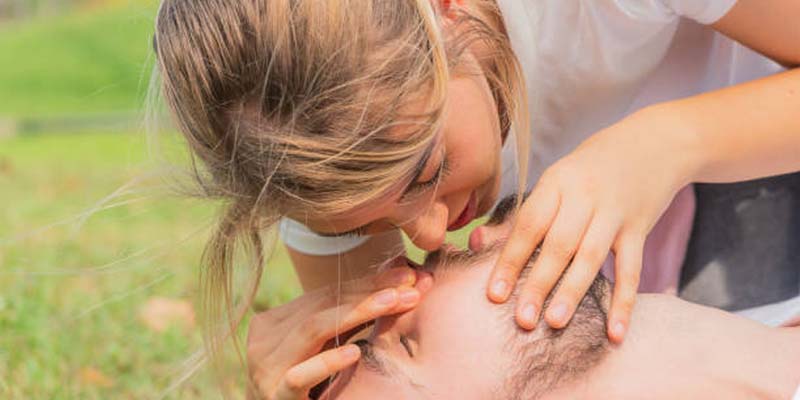
Mouth-to-mouth rescue breaths, also known as mouth-to-mouth resuscitation, are critical to life-saving techniques like cardiopulmonary resuscitation (CPR). This method provides oxygen to someone who is unable to breathe on their own. Knowing the indication for mouth-to-mouth rescue breaths is essential for identifying situations where immediate action could mean the difference between life and death.

Typically, mouth-to-mouth rescue breaths are performed when a victim is unresponsive, not breathing, or showing signs of inadequate breathing. This technique is often combined with chest compressions to circulate oxygen-rich blood to vital organs. While hands-only CPR is recommended for bystanders in many cases, there are situations where rescue breaths remain essential, such as when the victim is a child, a drowning victim, or has suffered respiratory arrest.

Why Is Mouth-To-Mouth Resuscitation Important?

Mouth-to-mouth resuscitation is crucial in saving lives during emergencies when normal breathing stops. It ensures oxygen delivery to the victim’s lungs, essential for maintaining vital organ function. Understanding the indication for mouth-to-mouth rescue breaths helps identify when this life-saving technique should be applied, alongside knowing the special considerations for using an AED if one becomes available.

This method is critical in situations like drowning, respiratory arrest, or opioid overdose, where oxygen deprivation is the primary concern. In such cases, chest compressions alone may not supply enough oxygen to sustain the brain and other critical organs. Combining mouth-to-mouth resuscitation with chest compressions provides both oxygen and circulation, increasing the chances of survival.

What Symptoms Indicate The Necessity Of Mouth-To-Mouth Resuscitation?

Knowing when breaths are recommended for CPR can save lives in critical moments. Understanding the symptoms requiring this intervention ensures prompt and effective action. Below are common scenarios where the indication for mouth-to-mouth rescue breaths is crucial. Each highlights the need for oxygen delivery to sustain life when normal breathing ceases.

Patient not breathing

The most evident indication for mouth-to-mouth rescue breaths is when a person is not breathing. If their chest does not rise or fall and there is no airflow from their nose or mouth, immediate intervention is required. Rescue breaths in CPR provide essential oxygen, buying time until professional help arrives. Combining rescue breaths with chest compressions is vital to restore oxygen and circulation, especially when breathing is the primary issue.

Respiratory distress

Severe respiratory distress, marked by rapid or difficult breathing, can lead to respiratory arrest. If the victim progresses to ineffective or absent breathing, mouth-to-mouth rescue breaths become necessary. For example, asthma attacks or airway obstructions may impair oxygen intake. Here, breaths are recommended for CPR to ensure adequate oxygenation. This step is particularly crucial when breathing ceases entirely, signaling the need for immediate intervention.

Cardiac arrest

The heart does not pump blood, and breathing often halts during cardiac arrest. While hands-on CPR focuses on chest compressions, the indication for mouth-to-mouth rescue breaths applies if the arrest is due to respiratory causes like drowning or drug overdose. These breaths provide oxygen critical for the victim’s survival until their heart rhythm can be restored, especially in scenarios involving non-cardiac origins of the arrest.

Drowning or suffocation

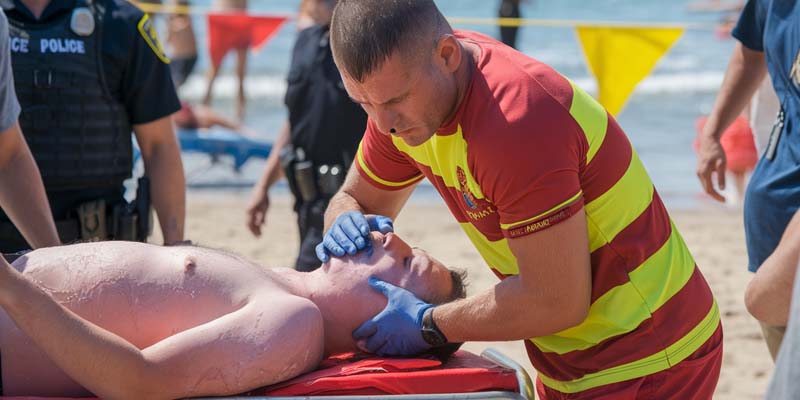
Victims of drowning or suffocation often lack oxygen entirely, making mouth-to-mouth resuscitation essential. In such cases, breaths are recommended for CPR to reintroduce oxygen to the lungs and bloodstream. Since water or obstruction disrupts normal breathing, this step ensures the brain and other vital organs receive the oxygen needed to prevent permanent damage. Immediate action is crucial for survival.

Drug overdose or poisoning

Certain drug overdoses or poisoning can suppress the respiratory system, causing breathing to stop. When this happens, the indication for mouth-to-mouth rescue breaths becomes clear. Rescue breaths provide a temporary oxygen supply, stabilizing the victim until medical intervention addresses the underlying cause. Combining rescue breaths with chest compressions can significantly add to the survival chances in such emergencies.

Anaphylaxis

Anaphylaxis or severe allergic reaction, may cause airway swelling and respiratory failure. If the victim stops breathing, mouth-to-mouth resuscitation is vital. Breaths are recommended for CPR to ensure oxygen reaches the bloodstream despite airway obstruction. Acting quickly with rescue breaths helps bridge the gap until epinephrine or emergency care resolves the allergic reaction.

Trauma

Severe trauma, such as head or chest injuries, can impair the victim’s ability to breathe. In such cases, the indication for mouth-to-mouth rescue breaths arises if breathing stops or becomes ineffective. Rescue breaths provide oxygen while addressing other injuries. Ensuring proper head positioning during rescue breaths is critical to avoid further complications in trauma patients.

Choking

Choking obstructs airflow to the lungs, and if the airway cannot be cleared, mouth-to-mouth resuscitation may be required once the obstruction is dislodged. Breaths are recommended for CPR after the blockage is successfully removed to restore oxygen levels and stabilize the victim. Acting promptly ensures that the oxygen supply resumes, preventing severe complications like brain damage or death.

How To Do Mouth-To-Mouth Resuscitation?

Knowing how to perform mouth-to-mouth resuscitation correctly is critical during emergencies. The techniques vary slightly for adults, older children, or infants to accommodate their anatomical differences. Recognizing the indication for mouth-to-mouth rescue breaths ensures you act appropriately to deliver life-saving oxygen in situations like respiratory arrest or choking. Follow these guidelines based on the victim’s age group.

For adults and older children

Mouth-to-mouth resuscitation for adults and older children follows a structured process:

  • Check responsiveness and breathing- Tap the person’s shoulder and ask loudly, “Are you okay?” Look for minimum breathing signs, such as chest movement or airflow sounds.
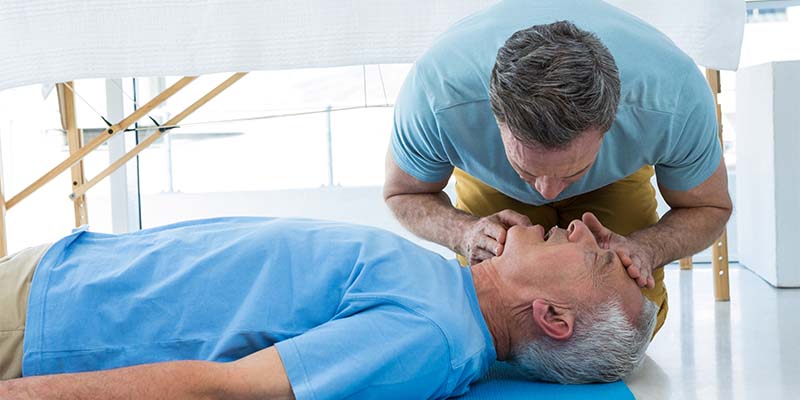
  • Clear the airway- Tilt the head slightly by lifting the chin and touching the forehead. Ensure there is no visible obstruction in the mouth or throat.
  • Deliver rescue breaths- Pinch the nose shut to prevent air from escaping. Seal your mouth over the victim’s mouth. Give two slow, steady breaths (about 1 second each), watching the chest rise. If the chest don’t rise, reposition the head and repeat the process. Alternate with compressions if needed:

For infants

Performing mouth-to-mouth resuscitation on infants requires a gentler approach due to their smaller airways and bodies, which is exactly what our Adult, Child & Infant CPR + AED course is designed to teach:

  • Check for responsiveness- Gently tap the infant’s foot or shoulder and check for breathing or responsiveness.
  • Clear the airway: Place the infant on a firm surface. Tilt the head slightly back by placing one hand on the forehead and gently lifting the chin. Avoid overextending the neck.
  • Deliver rescue breaths- Cover the infant’s nose and mouth with your mouth and create a seal. Blow gently for about 1 second, just enough to see the chest rise. Give two breaths, watching closely for chest movement. Alternate with compressions if needed.

Does the CPR Certification Course Include a Mouth-To-Mouth Resuscitation Lesson?

Yes, most CPR certification courses include lessons on mouth-to-mouth resuscitation. These courses prepare participants for various emergency scenarios, including those requiring rescue breaths. While hands-on CPR is often emphasized for untrained bystanders, many certification programs teach when and how breaths are recommended for CPR.

Participants learn to recognize situations where rescue breaths are necessary, such as in cases of drowning, respiratory arrest, or for victims like infants and children. Instructors provide hands-on practice, demonstrating proper airway-clearing techniques, delivering effective breaths, and combining them with chest compressions.

Understanding mouth-to-mouth resuscitation ensures that certified individuals are equipped to provide comprehensive care. Whether the emergency involves a child, an adult, or a particular situation, certification courses emphasize the importance of oxygen delivery alongside circulation, improving survival outcomes in critical moments — courses also cover practical logistics like knowing when rescuers should switch positions during CPR to avoid fatigue-related drops in compression quality.

What Precautions To Consider For Mouth-To-Mouth Resuscitation?

When performing mouth-to-mouth resuscitation, it’s essential to take precautions to ensure safety and effectiveness:

  • Check for responsiveness and breathing- Confirm the victim is unresponsive and not breathing before starting rescue breaths.
  • Protect yourself—If available, Use a barrier device, such as a face shield, to reduce the risk of disease transmission.
  • Clear the airway- Remove visible obstructions from the mouth and throat to ensure adequate airflow.
  • Avoid excessive force- Deliver gentle breaths, watching for the chest to rise to prevent lung damage.
  • Reassess regularly- Check for breathing or circulation and adjust as needed.

Wrapping up

Understanding the indication for mouth-to-mouth rescue breaths is vital for providing adequate emergency care. From respiratory distress to cardiac arrest, recognizing when mouth-to-mouth resuscitation is necessary and performing it correctly can save lives. Whether for adults, children, or infants, this essential skill ensures oxygen delivery to vital organs until professional help arrives. By knowing these life-saving techniques and precautions, you can confidently respond to critical situations.

Ready to learn more? Enroll in a CPR certification course with Simple CPR today and equip yourself with the skills to save a life!

What Are Some Special Considerations When Using An AED?

Style Snapshot

  • Proper use of an AED during emergencies requires awareness of environmental and personal factors. This article provides essential tips to ensure safe and effective AED application—such as the role of moisture, pacemakers, and troubleshooting device malfunctions. By understanding special considerations, rescuers can confidently respond to cardiac emergencies.

What Are Some Special Considerations When Using An AED?

The Automated External Defibrillator (AED) is a life-saving device when responding to a cardiac emergency. However, there are special considerations that every responder should understand. These considerations ensure the device is used effectively and safely, providing the victim with the best chance of survival.

In this article, we provide a solution to the frequently asked question: What are some special considerations when using an AED? From recognizing environmental hazards to addressing specific scenarios like wet surfaces or the presence of implanted medical devices, knowing how to adapt to these factors is essential. Understanding these key points helps avoid common mistakes and ensures the AED works as intended, just as it helps to recognize what indicates the need for mouth-to-mouth rescue breaths after a shock is delivered.

Whether you’re a trained first responder or a bystander with access to an AED, learning these guidelines is critical to providing practical assistance. Read on to discover what you need to know to act quickly and safely in emergencies.

What Are The Environmental Considerations?

AED’s safe and effective use is also influenced the environmental factor. Being vigilant can help prevent accidents and ensuring, both the rescuer and the victim are safe. Below, we’ll explore critical considerations, including weather conditions, water hazards, flammable materials, and metal surfaces, to help you navigate various environments confidently using an AED.

Weather

Extreme weather conditions can affect AED usage. If it’s raining or snowing, ensure the victim is dry before attaching the AED pads, as moisture can interfere with the device’s effectiveness and potentially cause harm. Wind and debris might also pose challenges. Always prioritize safety by moving the victim to a sheltered area, if possible, and follow the AED’s instructions carefully to ensure accurate analysis and shock delivery.

Water hazard

Water poses significant risks when using an AED. If the victim is on a wet surface or near water, move them to a dry, safe location before applying the device. Moisture can conduct electricity, increasing the risk of harm to the rescuer and the victim. Dry the victim’s chest thoroughly to ensure proper pad adhesion and electrical delivery. Always keep the AED away from water to prevent damage to the device.

Inflammable materials

The presence of flammable materials requires extra caution. AEDs generate an electrical charge, and sparks ignite flammable substances such as gasoline, alcohol, or certain chemicals. Always inspect the surroundings for potential hazards before using the device. If you identify inflammable materials, move the victim to a safer area to minimize risks before proceeding with AED usage.

Metal surface

Metal surfaces, such as bleachers or construction platforms, conduct electricity, posing a safety hazard. If the victim is lying on metal, relocate them to a non-conductive surface before using the AED. Ensure that no one, including the rescuer, is in contact with the metal during shock delivery. These precautions will reduce the risk of accidental electrical conduction and maximize the AED’s effectiveness.

What Factors To Consider For Individual Persons?

When using an AED, it’s essential to recognize unique factors related to the individual requiring treatment. These include pregnancy, pacemakers, transdermal medical patches, chest hair, and age-specific considerations for children under 8. Addressing these scenarios ensures effective defibrillation while prioritizing safety. Below, we’ll discuss the special considerations for defibrillation in each case, including guidelines for different conditions and situations.

Pregnancy

AEDs can be safely used on pregnant individuals. Delivering a shock when needed is crucial to save both the mother and the unborn child. CPR and defibrillation help restore blood flow, which benefits both lives. Ensure proper pad placement, avoiding direct contact with the belly, and proceed without hesitation. Effective use of the AED during pregnancy can make a significant difference in emergency outcomes.

Individuals with pacemakers

Can you use an AED on anyone with a pacemaker? Yes, but with caution. Pacemakers are small medical devices implanted under the skin to regulate heart rhythm. When using an AED, place the pads at least one inch away from the pacemaker to avoid interference. You can identify a pacemaker as a small bump beneath the skin near the chest or shoulder area. Follow this guideline to ensure proper defibrillation.

Transdermal medical patches

When encountering transdermal medical patches, remove them before applying AED pads to prevent burns or interference with the electrical current. Wear gloves to remove the patch and clean the area to ensure good pad contact. Leaving the patch in place could obstruct the shock delivery, reducing the AED’s effectiveness. Properly addressing this issue is critical in providing safe and effective defibrillation.

Chest hair

Excessive chest hair can prevent AED pads from adhering correctly, reducing the effectiveness of the shock. If the pads do not stick, use a razor—often included in AED kits—to shave the area where they will be placed. In urgent cases, you can use one set of pads to pull off hair and then apply a new set. This ensures a strong connection for the defibrillation process.

AED for children under 8 years

What are the special considerations for defibrillation in children under 8? AEDs can be used on children under eight but require pediatric pads or settings to deliver a lower energy shock suitable for their smaller bodies. If pediatric pads are unavailable, standard pads can be used in emergencies by ensuring they do not touch each other. Anyone who regularly cares for kids can build this knowledge through our Adult, Child & Infant CPR + AED course, which covers proper adjustments for delivering safe and effective care for young children.

What Are The Circumstantial Considerations?

Understanding what exceptional circumstances a rescuer should consider when using an AED is vital for ensuring effective and safe operation. Circumstantial factors include troubleshooting potential AED malfunctions and adhering to crucial safety measures. When using an AED, these special considerations help disperse risk factors and improve the likelihood of a successful outcome. Below, we explore these topics to address special considerations when using an AED in unique situations.

Troubleshooting faulty components

In emergencies, knowing how to troubleshoot AED issues is essential. Faulty components can delay critical care, so it’s crucial to identify and resolve problems quickly — this is one reason some advanced responders also rely on AEDs and LUCAS devices together for uninterrupted care. What are the special considerations for defibrillation when dealing with AED malfunctions? Follow these guidelines:

  • Check for low battery- If the AED shows a low battery alert, replace the battery immediately if a spare is available.
  • Inspect pad placement- Ensure AED pads are correctly attached to the chest and securely connected to the device. Misplaced or loose pads can interfere with analysis and shock delivery.
  • Listen for error messages- Modern AEDs often provide verbal instructions or display error codes. Follow these cues to troubleshoot the issue.
  • Test replacement components- If the AED malfunctions, replace faulty pads or cables. Keeping spare parts in AED kits can prevent delays.

By addressing these issues promptly, you can minimize disruptions and ensure the AED operates as intended.

Safety measures

Adhering to safety precautions is one of the most critical considerations when using an AED. Safeguarding the rescuer, victim, and bystanders ensures a safe environment for defibrillation. Follow these safety measures:

  • Clear the area- Ensure no one has any physical contact with the victim while shock delivery to prevent accidental conduction of electricity.
  • Be mindful of environmental hazards- Avoid using the AED near water, metal surfaces, or flammable materials, as these can increase risks.
  • Confirm readiness before shocking- Always follow the AED’s prompts and ensure proper pad placement before delivering a shock.
  • Educate bystanders- Inform bystanders to stay clear during analysis and shock administration to reduce potential injuries.

By prioritizing safety, you enhance the effectiveness of defibrillation and protect everyone involved, especially since minimizing pauses in compressions—reflected in what’s known as your chest compression fraction—directly affects survival odds. These considerations are crucial for any rescuer to respond effectively in high-pressure situations.

Wrapping Up

Understanding what special considerations for defibrillation are necessary ensures the safe and effective use of an AED in various circumstances. These guidelines empower responders to act confidently during emergencies, from environmental hazards to individual factors and troubleshooting malfunctions. Recognizing the importance of safety and proper AED use can make the difference between life and death. Preparing is vital, whether accounting for water hazards, pacemakers, or pediatric care.

Stay prepared to save lives—visit Simple CPR’s online certification today to access expert training and learn more about proper AED use and life-saving techniques.