
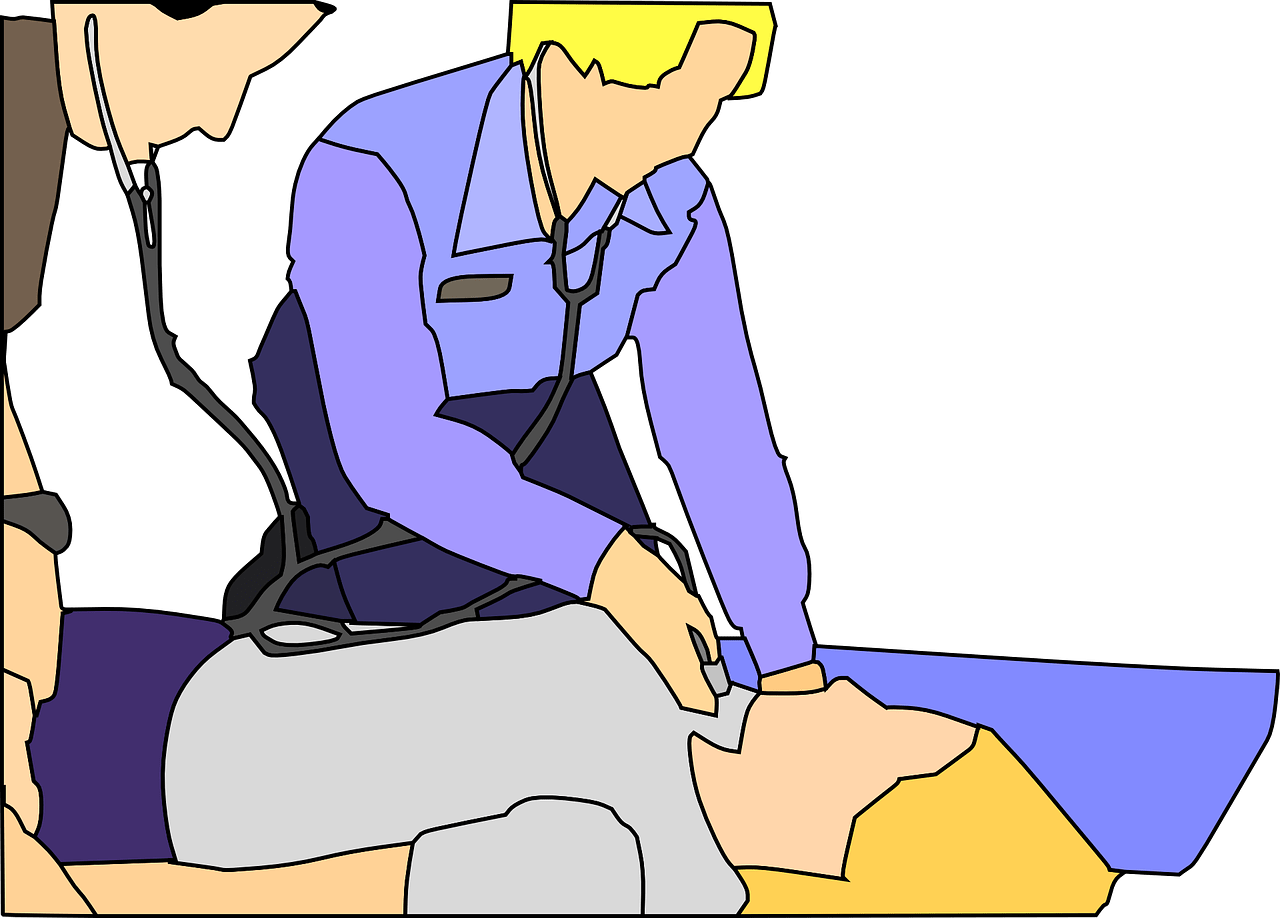
We have all seen dramatic scenes in television and movies that show someone providing CPR to rescue the victim. Because of this, you would think that knowing CPR is more common in the United States. Unfortunately, a shockingly small amount of the public has received training in CPR. Efforts to educate the public more on how to perform CPR have been somewhat recent, but these efforts will hopefully encourage more people to learn CPR so that we can save more lives. Here are some things about CPR that you didn’t know:
Style Snapshot
- CPR training is vital because it increases survival rates during cardiac emergencies. Despite this, many people hesitate to perform CPR due to fear or lack of knowledge. Awareness of the benefits, along with CPR certification, empowers individuals to act quickly and effectively, especially when it comes to saving loved ones at home.
You Are More Likely to Perform CPR at Home
The likelihood that you will need to perform CPR on a loved one is much higher than that of a stranger. According to the American Heart Association, 88 percent of cardiac arrests occur at home. Cardiac arrests can happen to anyone at any age, and the chance of survival is higher if CPR is given immediately. In fact, a cardiac arrest victim who receives CPR by a bystander before medics arrive is twice as likely to survive a month later.
The Majority of Bystanders Won’t Give CPR
It’s sad, but the fact is that only one-third of bystanders actually perform CPR on victims. This could be because they are fearful of getting involved or scared that they will perform CPR incorrectly. Research suggests that a significant number of lives could be saved if more people made the effort to provide CPR. Even someone who has no training is better than no CPR at all, which is part of why viral campaigns like the CPR Challenge have worked to get more bystanders involved.
The Ability to Perform CPR Is Dependent on Body Strength
You can learn CPR at any age, as long as you have the body strength to perform it. In fact, studies have shown that children as early as age nine can properly perform CPR. Researchers are confident that there is a huge benefit to teaching CPR in primary schools, such as knowing basic survival techniques and knowing how to alert medical services.
Every Minute Counts in CPR
Bystanders must act quickly when a victim needs CPR. When oxygen is suddenly cut off from the brain due to stroke or other serious conditions, every minute counts. The interruption of blood flow to the brain will cause brain cells to die, which can lead to permanent brain damage within four to six minutes. In addition, the chances of survival for a cardiac arrest victim decreases by ten percent for every minute that CPR is not provided. CPR training allows individuals to not hesitate when someone is in need of CPR, and remembering a simple rhythm — like the one used in the “Stayin’ Alive” method — can help you keep pace during those minutes.
Memory of CPR Skills and Knowledge Tends to Fade Fairly Quickly
Nurses, police officers, firefighters, and other professions require regular CPR training because studies show that we tend to forget CPR knowledge over time. Not only can taking CPR classes regularly help you remember what to do, but it also gives you the chance to stay up-to-date on the latest CPR techniques and practices. You can find an online CPR course at SimpleCPR and take it in the comfort of your own home.
Good Samaritan Laws Can Protect Those Performing CPR
Another common reason why bystanders don’t perform CPR on those who need it is because they fear legal repercussions if something goes wrong. This is unfounded because of Good Samaritan laws that are passed in order to protect those who give CPR. While states have different specifications of Good Samaritan laws, they will all protect those who offer reasonable assistance to those in need.
CPR Is Useful for Causes Other Than Heart Attacks
Many people think of heart attacks when they think of CPR when, in reality, CPR can be useful for many different situations. For instance, CPR could help save the life of someone who is choking or suffocating, is experiencing a drug overdose, or for someone who is drowning. Infants and children are more likely to need CPR for choking and drowning cases, while adults over the age of 65 are more likely to need it for heart conditions.
Bottom Line—CPR Saves Lives
All of these facts reinforce the necessity of proper CPR training. By raising awareness and increasing the number of people who take CPR courses, we can dramatically raise the number of lives saved each year. People of all walks of life can benefit from being trained in CPR and it never hurts to be prepared in case of an emergency.